Golden Retriever puppies are loving, playful, and full of personality. They are also curious, energetic, and need steady care to grow into healthy adult dogs.
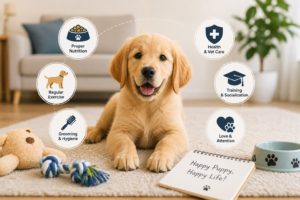
If you are a first-time owner, this guide will help you understand what your puppy needs in the early months. With the right routine, your Golden Retriever can become a happy and well-behaved part of your family.
Getting Ready for Your Golden Retriever Puppy
Before you buy golden retriever puppy for sale and bring it home, make sure your space is safe and comfortable. A little preparation can make the first few days much easier for both you and your puppy.
You do not need fancy supplies, but you do need the basics. A calm, organized setup helps your puppy settle in with less stress.
Puppy Essentials Checklist
- Food and water bowls
- High-quality puppy food
- Soft bed or crate
- Leash and collar
- Chew toys
- Puppy-safe cleaning supplies
- Brush and grooming tools
- Puppy pads, if needed
It is also a good idea to remove anything dangerous from floor level. Puppies love to chew, sniff, and explore every corner.
Feeding Your Golden Retriever Puppy
Good nutrition is one of the most important parts of puppy care. Golden Retriever puppies grow fast, so they need food that supports healthy bones, muscles, and energy.
Choose a puppy formula made for growing dogs. Ask your vet if you are not sure which food is best for your puppy’s age and size.
Most young puppies eat 3 to 4 meals a day. As they get older, they usually move to 2 meals a day.
Simple Feeding Schedule of Golden Retriever
| Puppy Age | Meals Per Day | Notes |
|---|---|---|
| 8 to 12 weeks | 4 | Small meals help with digestion |
| 3 to 6 months | 3 | Keep a regular routine |
| 6 to 12 months | 2 | Follow your vet’s advice |
Try not to overfeed, even if your puppy acts hungry all the time. Healthy growth is better than rapid growth.
Feeding at the same times each day also helps with house training. Dogs do better when their routine stays predictable.
House Training Your Golden Retriever Puppy
House training takes patience, but Golden Retrievers usually learn well with a routine. The key is to take your puppy outside often and reward good behavior right away.
Take your puppy out after sleeping, playing, drinking, and eating. Use the same potty spot each time so your puppy begins to understand what is expected.
House Training Steps
- Take your puppy outside first thing in the morning.
- Go outside after every meal, nap, and play session.
- Wait in the same spot each time.
- Praise your puppy immediately after they go.
- Clean indoor accidents quickly and calmly.
Never punish your puppy for accidents. They learn best from consistency, praise, and repetition.
Socialization Starts Early
Socialization means helping your puppy feel comfortable with the world around them. This includes new people, sounds, places, and other animals.
A well-socialized puppy is usually more confident, calm, and friendly as an adult. Start slowly and make each new experience positive.
Easy Socialization Ideas
- Invite calm visitors over
- Let your puppy hear everyday home sounds
- Introduce safe outdoor spaces
- Expose your puppy to different surfaces
- Meet friendly dogs after vet approval
Keep each session short. A few good experiences are more helpful than one big, stressful one.
Training Your Golden Retriever Puppy
Golden Retrievers are smart and eager to please, which makes them wonderful to train. Start with simple commands and short lessons that feel like play.
Use treats, praise, and a happy voice. Training should always feel positive, not scary or frustrating.
Golden puppies usually learn quickly when you keep things simple. If you repeat the same commands every day, your puppy will begin to understand what you want.
Best First Commands
- Sit
- Stay
- Come
- Leave it
- Down
Keep training sessions short, about 5 to 10 minutes. Puppies learn best when they are focused but not tired.
Exercise and Play for Growing Puppies
Golden Retriever puppies are active, but they should not do too much exercise too soon. Their bodies are still growing, so gentle activity is best.
Short walks, soft toys, and light play are enough for most young puppies. Avoid long runs or lots of jumping while they are still developing.
A good balance of play and rest helps your puppy stay healthy. Too much activity can lead to tiredness and strain.
Safe Activities for Puppies
- Short leash walks
- Fetch with a soft toy
- Tug games with simple rules
- Puzzle toys
- Indoor training games
Your puppy does not need intense exercise to be happy. What they need most is steady interaction, mental activity, and a safe place to rest.
Grooming Your Golden Retriever Puppy
Golden Retrievers have beautiful coats that need regular care. Starting grooming early helps your puppy get used to brushing and handling.
Brush your puppy several times a week to remove loose hair and prevent tangles. This is also a good time to check ears, paws, and nails.
Grooming Routine
- Brush coat: 2 to 3 times a week
- Check ears: weekly
- Trim nails: every few weeks
- Brush teeth: several times a week
- Bathe: only when needed
Make grooming calm and positive. A few treats and gentle praise can turn it into a routine your puppy enjoys.
Vet Care and Health Checks
Your puppy should visit the vet soon after coming home. Regular checkups help you stay on top of vaccinations, parasite prevention, and overall health.
Your vet can also guide you on diet, weight, and growth. Follow the vaccination schedule closely to help protect your puppy from serious illnesses.
Vet Visit Checklist
- First puppy exam
- Vaccination plan
- Deworming schedule
- Flea and tick prevention
- Microchip discussion
- Growth and nutrition advice
A healthy start gives your puppy the best chance to grow into a strong adult dog.
Common Mistakes to Avoid
First-time owners often make a few simple mistakes. Learning what to avoid can make the puppy stage much easier.
One common mistake is expecting too much too soon. Puppies need time to learn, and progress usually comes in small steps.
Another mistake is being inconsistent. If rules change every day, your puppy gets confused.
Watch Out For These Mistakes
- Skipping routines
- Overfeeding treats
- Using harsh corrections
- Waiting too long to train
- Not socializing early
- Expecting too much too fast
Golden Retriever puppies need patience and consistency. They improve quickly when you give them structure and positive attention.
Daily Care at a Glance
| Area | What to Do |
|---|---|
| Food | Feed quality puppy food on schedule |
| Water | Keep fresh water available |
| Training | Practice short lessons every day |
| Exercise | Use gentle play and short walks |
| Grooming | Brush regularly and check ears/nails |
| Health | Stay on track with vet visits |
This simple routine helps your puppy feel safe and loved. It also makes daily care easier for you.
Final Thoughts
Raising a Golden Retriever puppy is a big responsibility, but it is also a wonderful experience. With good food, regular training, early socialization, and gentle care, your puppy can grow into a loyal and happy companion.
The most important thing is consistency. Small daily efforts build strong habits and help your puppy feel secure.
About The Barking Babies
At The Barking Babies, we know how exciting and overwhelming puppy parenthood can feel, especially for first-time owners. That is why we create helpful, easy-to-follow pet advice that supports you through every stage of your dog’s journey. Visit www.thebarkingbabies.com for more trusted tips, practical guides, and puppy-loving content designed to help you raise a happy, healthy companion with confidence.