TRUSTED BY OVER 15,000 FAMILIES SINCE 2001

The bond between children and dogs is a heartwarming connection that can bring joy and countless cherished memories to a family. When it comes to choosing a dog breed that harmonizes seamlessly with kids, the Bichon Frise stands out as an ideal choice. These fluffy, affectionate companions are often described as “a match made in furry heaven” for families with children. In this article, we will explore why Bichon Frise puppies are great companions for children, how to teach kids to interact safely and respectfully with pups, fun activities that can help build strong bonds between kids and Bichons, and the importance of encouraging responsibility in kids by involving them in puppy care.

Why Bichon Frise Puppies Are Great Companions for Children

Bichon Frise puppies possess a range of qualities that make them wonderful companions for children. Firstly, their small size and gentle temperament make them less intimidating for young kids. These pups are not overly energetic, making them a suitable choice for families living in apartments or homes with limited outdoor space.

Moreover, Bichon Frise puppies are known for their friendly and affectionate nature. They thrive on human interaction and are more than happy to become a part of a family, offering love and companionship. Their adaptability to various family dynamics ensures that they can fit seamlessly into any household, whether it’s a bustling family with multiple children or a quieter home with a single child.

Another remarkable trait of Bichon Frises is their hypoallergenic coat, which sheds very little. This is a significant advantage for families with allergy concerns, as it reduces the risk of allergic reactions often associated with other dog breeds.

Teaching Kids to Interact Safely and Respectfully with Pups

Ensuring a harmonious relationship between kids and Bichon Frise puppies begins with educating children on how to interact safely and respectfully with their furry friends. Here are some essential points to convey to kids:

  1. Gentle Touch: Teach children to use gentle hands when petting and playing with the Bichon Frise. Emphasize that pulling tails or ears can cause pain and discomfort to the puppy.
  2. No Rough Play: Encourage kids to avoid roughhousing with the puppy. While some dogs may enjoy rough play, Bichon Frises are generally more comfortable with calmer interactions.
  3. Respect Boundaries: Teach children to respect the pup’s personal space. If the puppy retreats or shows signs of wanting to be left alone, children should understand the importance of giving them space.
  4. Supervision: Always supervise interactions between young children and puppies, especially in the initial stages. This ensures that any miscommunications or misunderstandings are addressed promptly.

Fun Activities: Building Bonds Between Kids and Bichons

Building strong bonds between kids and Bichon Frises can be a delightful experience for the whole family. Here are some fun activities that can help strengthen this special relationship:

  1. Playtime: Engage in interactive play sessions with the puppy, such as fetch or hide-and-seek. This not only provides physical exercise but also fosters emotional connections.
  2. Training Together: Involve children in basic puppy training sessions. Simple commands like sit, stay, and paw can be taught together, promoting cooperation and mutual understanding.
  3. Storytime: Encourage kids to read books to their Bichon Frise puppy. Dogs often find the sound of a human voice soothing, and this can create a sense of comfort and companionship.
  4. Outdoor Adventures: Take family walks or hikes with the Bichon Frise, allowing children to explore the outdoors alongside their furry friend.

Encouraging Responsibility: Involving Kids in Puppy Care

One of the most valuable lessons that children can learn from having a Bichon Frise puppy is responsibility. Involving kids in the care of their four-legged companions can teach them essential life skills and a sense of accountability. Here’s how to encourage responsibility in kids:

  1. Feeding Routine: Let children participate in the puppy’s feeding routine. This includes measuring food, filling the water bowl, and cleaning up afterward.
  2. Grooming Assistance: Show kids how to brush the Bichon Frise’s coat gently and help with regular grooming tasks. This not only keeps the puppy looking and feeling their best but also strengthens the bond between child and dog.
  3. Potty Training: Involve kids in the potty training process. Teach them the importance of taking the puppy outside at specific times and cleaning up after accidents.
  4. Vet Visits: Take children to vet appointments with the Bichon Frise. This helps them understand the importance of regular check-ups and healthcare for their furry friend.

Health and Safety Considerations for Kids and Bichon Frise Puppies

While Bichon Frises are generally good-natured and suitable for families with kids, it’s crucial to prioritize the health and safety of both the children and the puppies. Here are some essential considerations:

  1. Vaccinations: Ensure that the Bichon Frise puppy is up-to-date with vaccinations to prevent the spread of diseases. Educate children about the importance of vaccines and the need to avoid contact with unknown or unvaccinated dogs.
  2. Allergies: Keep an eye on any signs of allergies in children, even though Bichon Frises are hypoallergenic. Some individuals may still be sensitive to dog dander.
  3. Supervision: Continue to supervise interactions between kids and puppies, especially when the children’s friends come over. Not all children may be as familiar with proper dog etiquette.
  4. Training: Invest time in training the Bichon Frise to ensure they are well-behaved and responsive to commands, which can prevent potential accidents or miscommunications.

Growing Together: Adolescence and Beyond

As children grow into adolescence and beyond, their relationship with their Bichon Frise puppy can evolve and deepen. It’s essential to continue nurturing this bond by involving older children in more advanced aspects of care and training. Additionally, as kids become more independent, they can take on more responsibilities in the care of their beloved pet.

Preparing for a Happy Future

A Bichon Frise puppy can be a source of joy, companionship, and valuable life lessons for children. By fostering a loving and respectful relationship between kids and their furry friends, families can create a harmonious environment where both children and Bichon Frise puppies thrive. This partnership truly is a match made in furry heaven, promising years of happiness and unforgettable moments for the entire family.

Conclusion

In conclusion, the relationship between Bichon Frise puppies and children is indeed a match made in furry heaven. These charming, gentle, and affectionate dogs bring immense joy and valuable life lessons to the lives of youngsters and their families. From the early stages of introducing a Bichon Frise puppy to your home to nurturing a strong bond between children and their furry friends, the journey is filled with love, laughter, and opportunities for personal growth.

Bichon Frises possess unique qualities that make them exceptional companions for children. Their manageable size, friendly demeanor, and hypoallergenic coat are just a few of the many attributes that make them a great fit for families. These dogs not only provide companionship but also teach children important values such as responsibility, empathy, and patience.

Teaching kids to interact safely and respectfully with their Bichon Frise puppies is paramount. By instilling gentle touch, discouraging rough play, and emphasizing the importance of boundaries, children learn the significance of empathy and understanding, skills that extend far beyond their relationship with their pets.

Engaging in fun activities that strengthen the bond between kids and their Bichon Frises is a rewarding experience. From playtime and training sessions to reading together and embarking on outdoor adventures, these shared moments create lasting memories and deepen the connection between children and their furry companions.

Involving kids in the care of their Bichon Frise puppies teaches them responsibility in a meaningful way. From feeding routines and grooming assistance to potty training and vet visits, children learn to care for another living being and gain valuable life skills that will serve them well in the future.

Ensuring the health and safety of both children and Bichon Frise puppies is crucial. Regular vet visits, vaccination schedules, and allergy awareness are essential considerations. Additionally, ongoing supervision of interactions between kids and their pets, especially when other children are involved, helps prevent accidents and promotes a safe environment.

As children grow into adolescence and beyond, their relationship with their Bichon Frise puppy can evolve into a lifelong bond. Older children can take on more advanced responsibilities in the care and training of their furry friends, solidifying their connection and deepening their understanding of pet ownership.

Ultimately, the decision to bring a Bichon Frise puppy into your family is a commitment to a journey filled with love, growth, and cherished memories. It is a partnership that promises a bright and happy future for both children and their furry companions. The bond forged between kids and Bichon Frise puppies truly is a match made in furry heaven, a testament to the enduring beauty of the human-animal connection.


Congratulations on welcoming a German Shepherd puppy into your home! These intelligent and loyal companions make for wonderful pets, but like all puppies, they require proper training to ensure a harmonious life together. In this guide, we’ll cover the essential steps for training your German Shepherd puppy and creating a happy home environment for both of you.

german Shepherd puppies for sale - The Barking Babies

German Shepherd Beginnings: Understanding the Breed

The German Shepherd is a remarkable breed with a rich history and a distinct set of characteristics. Originating in Germany, they were initially bred for herding and guarding purposes, but their exceptional intelligence, loyalty, and versatility have made them popular in various roles, including police and service work. With a well-defined double coat, erect ears, and a strong build, German Shepherds possess a commanding presence.

  • Distinctive Traits: German Shepherd puppies are known for their high intelligence and trainability. This breed excels in various canine sports and activities due to their strong desire to learn and please their owners. They often form deep bonds with their families, displaying unwavering loyalty and protective instincts.
  • Historical Significance: Captain Max von Stephanitz is credited with developing the German Shepherd breed in the late 19th century by selecting and refining traits that would lead to their exceptional working abilities. Originally used as herding dogs, they quickly demonstrated their talents in various fields, such as police and military work.
  • Roles and Jobs: German Shepherds have a long history of serving as working dogs. They have been employed in roles such as search and rescue, guide dogs for the visually impaired, and even acting in movies due to their versatility and adaptability. Their keen sense of smell, intelligence, and physical prowess make them an ideal choice for these roles.
  • Temperament: Their temperament combines loyalty, confidence, and a strong sense of duty. While they can be reserved and aloof with strangers, they are known to be extremely devoted and protective of their families. Early socialization is crucial to ensure they develop into well-adjusted companions.

Training Your German Shepherd: Discipline and Respect

Training a German Shepherd requires a combination of patience, consistency, and positive reinforcement. Due to their intelligence and willingness to please, they can excel in obedience training and more advanced tasks.

  • Positive Reinforcement: German Shepherds respond exceptionally well to positive reinforcement techniques, which involve rewarding desired behaviors with treats, praise, or toys. This approach fosters a strong bond between the dog and the owner and encourages the dog to repeat the desired behaviors.
  • Early Socialization: Socializing a German Shepherd from a young age is essential to ensure they are comfortable and well-behaved in various situations. Exposing them to different environments, people, and animals helps prevent potential behavioral issues later in life.
  • Consistent Leadership: German Shepherds thrive under the guidance of a confident and consistent leader. Establishing yourself as the pack leader through clear communication and setting boundaries is crucial for their overall behavior and respect for your commands.
  • Advanced Training: Beyond basic obedience, German Shepherds can excel in advanced training activities such as agility, tracking, and protection work. Engaging their minds in challenging tasks helps prevent boredom and reinforces their sense of purpose.

GSD Grooming Guide: Coat Care and Shedding Tips

German Shepherds have a beautiful double coat that requires regular maintenance to keep it healthy and minimize shedding. Proper grooming not only keeps their coat looking its best but also promotes their overall well-being.

  • Double Coat Structure: German Shepherds have a double coat consisting of a dense, soft undercoat and a longer, coarser outer coat. This design helps regulate their body temperature and provides protection against the elements.
  • Regular Brushing: Frequent brushing, at least a few times a week, helps remove loose hair, prevent mats and tangles, and distribute natural oils throughout the coat. Using a brush designed for their coat type is essential to avoid damaging their fur.
  • Bathing Routine: German Shepherds generally do not require frequent baths unless they get particularly dirty. Over-bathing can strip their coat of natural oils, leading to dryness and skin issues. Use a dog-specific shampoo and consult your vet for bathing frequency recommendations.
  • Seasonal Shedding: German Shepherds shed year-round, with heavier shedding occurring during seasonal changes. This is known as “blowing their coat.” During these periods, daily brushing is especially important to manage the shedding and keep your home clean.
  • Ears, Nails, and Teeth: In addition to coat care, regular ear cleaning, nail trimming, and dental care are essential for your German Shepherd’s overall hygiene. Monitoring and maintaining these areas contribute to their overall health and comfort.

Nutrition for German Shepherd Puppies: Diet and Health

  • Proper nutrition is crucial for the growth and development of German Shepherd puppies. Providing a balanced diet tailored to their needs sets the foundation for a healthy and active life.
  • Puppy-Specific Nutrition: German Shepherd puppies have unique dietary requirements to support their rapid growth and development. Look for high-quality puppy food that is rich in protein, healthy fats, vitamins, and minerals.
  • Portion Control: It’s important to feed your puppy the appropriate portion sizes to prevent overfeeding, which can lead to obesity and related health issues. Consult your veterinarian to determine the right feeding schedule and portion sizes based on your puppy’s age, weight, and activity level.
  • Avoid Overfeeding: While it might be tempting to give extra treats, overfeeding can lead to health problems, particularly in larger breeds like German Shepherds. Use treats sparingly and consider incorporating healthy treats into their training routine.
  • Hydration: Always provide access to clean, fresh water. Proper hydration supports digestion, circulation, and overall well-being.
  • Transitioning to Adult Food: As your German Shepherd puppy matures, their nutritional needs change. Gradually transition them to a high-quality adult dog food around 12 to 18 months of age, following your veterinarian’s guidance.

Bonding with Your GSD: Strengthening Your Relationship

Building a strong bond with your German Shepherd is essential for a harmonious and fulfilling relationship. These loyal dogs thrive on companionship and genuine connection, and there are several effective ways to foster a deeper bond.

  • Quality Time Together: Spending quality time with your German Shepherd is paramount. Engage in activities that they enjoy, such as playing fetch, going for walks, or simply cuddling. These shared experiences create positive associations and build trust.
  • Positive Reinforcement Training: Training sessions offer more than just obedience; they provide an opportunity for communication and teamwork. Utilize positive reinforcement techniques to teach commands, tricks, and behaviors, reinforcing your role as their guide and protector.
  • Physical Touch: Physical touch, such as petting and gentle massages, promotes relaxation and emotional closeness. Regular physical contact helps your German Shepherd feel secure and loved.
  • Exploring New Environments: Taking your German Shepherd to new places exposes them to different sights, sounds, and smells, enriching their sensory experiences and deepening their trust in you as their guide through unfamiliar situations.
  • Mind-Stimulating Activities: Engaging your dog’s mind with puzzle toys, interactive games, and training challenges prevents boredom and encourages problem-solving, fostering a stronger bond as you work together to overcome challenges.

Health Watch for German Shepherds: Common Concerns

While German Shepherds are generally robust dogs, there are specific health concerns that are more prevalent in this breed. Regular veterinary check-ups and proactive care can help prevent or manage these issues.

  • Hip and Elbow Dysplasia: German Shepherds are prone to hip and elbow dysplasia, which are genetic conditions affecting the joints. Maintaining a healthy weight, providing joint supplements, and avoiding excessive jumping during their growth stage can help minimize the risk.
  • Degenerative Myelopathy: This neurological disorder is hereditary in German Shepherds and leads to progressive paralysis. While there’s no cure, early detection and supportive care can improve your dog’s quality of life.
  • Exocrine Pancreatic Insufficiency (EPI): EPI can lead to malnutrition due to the lack of digestive enzymes. If your dog experiences chronic weight loss, diarrhea, and increased appetite, consult your vet for proper diagnosis and management.
  • Bloat: Also known as gastric torsion or twisted stomach, bloat is a life-threatening condition that can affect deep-chested breeds like German Shepherds. Feeding smaller meals, avoiding vigorous exercise after eating, and being mindful of your dog’s water intake can help reduce the risk.
  • Skin Conditions: German Shepherds are susceptible to skin issues like allergies and hot spots. Regular grooming, a balanced diet, and identifying and addressing triggers can help manage these conditions.

Socializing Smartly: Introducing Your GSD to Others

Proper socialization is key to ensuring your German Shepherd is well-behaved and comfortable around people and other animals. Early and positive experiences create a confident and well-adjusted dog.

  • Early Start: Begin socializing your German Shepherd puppy as early as possible. Expose them to a variety of people, animals, and environments during their critical socialization period (around 3 to 14 weeks of age).
  • Positive Associations: Make each encounter positive by offering treats, praise, and encouragement. This helps your dog associate new experiences with positive outcomes.
  • Gradual Exposure: Introduce new stimuli gradually to prevent overwhelming your dog. Gradually increase the level of complexity in each socialization scenario.
  • Diverse Situations: Expose your German Shepherd to different types of people, including children, adults, and seniors. Similarly, introduce them to various animals, both small and large, to ensure they are comfortable in various situations.
  • Training and Management: Teach your German Shepherd basic commands and leash manners to ensure they are under control during socialization encounters. This fosters a sense of safety and trust for both your dog and those around them.

These are just a few strategies for each of the topics you provided. If you’d like more information or additional details on any of these topics, please feel free to ask!

German Shepherd Exercise Regimen: Fitness and Fun

German Shepherds are energetic and active dogs that require regular exercise to maintain their physical and mental well-being. An appropriate exercise regimen not only keeps them fit but also prevents boredom-related behavioral issues.

  • Daily Exercise: Engage in daily exercise sessions with your German Shepherd. Activities such as brisk walks, jogging, hiking, and interactive play help burn off excess energy and stimulate their minds.
  • Mental Stimulation: Incorporate mental stimulation into their routine through puzzle toys, scent games, and obedience training. Mental challenges are as important as physical exercise and contribute to a well-rounded, contented dog.
  • Structured Play: Structured playtime, such as fetch, agility, and obedience exercises, not only provides exercise but also strengthens the bond between you and your German Shepherd. Structured activities also enhance their problem-solving skills and responsiveness.
  • Avoid Overexertion: While German Shepherds have endurance, avoid overexertion, especially in hot weather. Be mindful of their limits, especially when they are young or have underlying health conditions.
  • Variety is Key: Offer a variety of activities to prevent boredom. Rotating between different exercises keeps your dog engaged and excited about their daily routine.

Traveling with Your Faithful Companion: Tips and Tricks

Including your German Shepherd in your travel plans can be a rewarding experience, but it requires careful preparation to ensure their safety, comfort, and well-being.

  • Advance Planning: Research pet-friendly accommodations and destinations. Ensure that the places you plan to visit allow dogs and have suitable facilities for their needs.
  • Crate Training: If your German Shepherd is comfortable in a crate, it can be a safe space during travel. It also helps prevent anxiety and keeps them secure while on the road.
  • Packing Essentials: Bring along essentials such as food, water, bowls, medications, a leash, waste bags, and familiar bedding. Having these items readily available ensures your dog’s comfort and health.
  • Frequent Breaks: During road trips, take frequent breaks to allow your German Shepherd to stretch their legs, relieve themselves, and stay hydrated. Never leave them unattended in the car, especially in hot weather.
  • Calming Techniques: If your dog gets anxious during travel, consider using calming techniques such as playing soothing music or using calming pheromone sprays. Consult your veterinarian for advice on anxiety management.

Unconditional Love: Nurturing Your GSD’s Happiness

German Shepherds thrive on love and attention, and as their owner, you play a crucial role in their happiness and well-being.

  • Quality Time: Devote quality time to your German Shepherd every day. Whether it’s a long walk, playtime, or simply relaxing together, your presence and attention make a significant impact.
  • Positive Reinforcement: Reward good behavior with praise, treats, or toys. Positive reinforcement strengthens the bond between you and your dog and encourages them to exhibit desirable behaviors.
  • Routine and Structure: German Shepherds feel secure in a predictable environment. Establish a routine that includes feeding, exercise, play, and rest. Consistency provides a sense of stability.
  • Healthcare and Wellness: Regular visits to the veterinarian for check-ups, vaccinations, and preventive care are essential for your dog’s health and happiness.
  • Love and Affection: Show your German Shepherd love through physical touch, petting, cuddling, and talking to them. They thrive on human interaction and will reciprocate with their unwavering devotion.

German Shepherds are incredible companions that bring joy and loyalty to their families. By understanding their unique needs and nurturing their physical and emotional well-being, you can ensure a fulfilling and lasting relationship with your faithful canine friend.

These charming and affectionate companions bring joy and warmth to countless households with their graceful demeanor and unwavering loyalty. As a responsible pet owner, it’s essential to provide them with the best possible care to ensure their health and happiness. In this guide, we will delve into various aspects of Cavalier King Charles Spaniel care, including their unique characteristics, health considerations, grooming routines, exercise needs, and training tips. By following this guide, you’ll be equipped with the knowledge to foster a strong and enduring bond with your furry friend, promoting a life filled with vitality and contentment.

The Loving Nature of Cavalier King Charles Spaniels

Cavalier King Charles Spaniel puppies, often referred to as “Cavaliers,” are renowned for their loving and affectionate nature. With their striking appearance and charming personality, these dogs have captured the hearts of countless pet enthusiasts around the world. Let’s delve into what makes these dogs so special and why they are cherished companions for families and individuals alike.

  • A Bond Beyond Compare: One of the most remarkable qualities of Cavalier King Charles Spaniels is their innate ability to form strong and lasting bonds with their human companions. Their gentle and affectionate demeanor makes them highly attuned to the emotions of those around them. Whether you’ve had a long day at work or are feeling under the weather, your Cavalier will be right by your side, ready to offer comfort and companionship. This unwavering loyalty and connection are what truly set these dogs apart.
  • The Joy of Cuddles: Cavaliers have rightfully earned the reputation of being excellent snuggle buddies. Their love for physical closeness is heartwarming. From cozying up on the couch while watching a movie to curling up in bed at night, these dogs thrive on human contact. Their silky-soft coats and warm presence make every snuggle session a joyful and comforting experience. This affectionate behavior not only enhances the bond between you and your furry friend but also contributes to a sense of emotional well-being.
  • Playful Spirits: While Cavaliers are masters of relaxation, they are also spirited and playful beings. Their enthusiasm for playtime is infectious, and they are always ready for a game of fetch or a leisurely stroll in the park. This blend of playfulness and gentleness makes them wonderful companions for families with children or active individuals seeking a loyal partner for outdoor activities. Their presence adds a touch of liveliness to any household, fostering an atmosphere of joy and vitality.
  • Tail-Wagging Therapy: It’s no secret that spending time with dogs can have a positive impact on one’s mental and emotional well-being. Cavaliers take this to a whole new level with their therapeutic qualities. Their genuine happiness, as expressed through their perpetual tail-wagging, has the power to uplift even the lowest of spirits. Whether you’re feeling stressed, anxious, or simply need a pick-me-up, a few minutes in the company of your Cavalier can make a world of difference.
  • An Eloquent Expression of Love: Cavaliers are not shy about expressing their affection through kisses and licks. This endearing behavior is their way of showing love and forging a deeper connection with their owners. A gentle lick on the hand or a playful nuzzle can speak volumes about their emotional attachment. These gestures serve as a constant reminder of the unwavering companionship and love that Cavaliers bring into our lives.

Designing a Safe and Joyful Environment

Creating a safe and joyful environment for your Cavalier King Charles Spaniel requires careful consideration of their unique needs and characteristics. From designing a comfortable living space to ensuring their physical and mental well-being through proper diet, grooming, and exercise, every aspect plays a role in their overall happiness. Remember, the love and care you invest in your pet’s environment will be returned to you in the form of endless companionship and loyalty. We will delve into the various aspects of designing an environment that ensures the health, happiness, and safety of your Cavalier King Charles Spaniel:

  • Creating a Comfortable Living Space: One of the key factors in providing a safe and joyful environment for your Cavalier King Charles Spaniel is designing a comfortable living space. This includes a designated area for your furry friend to relax, sleep, and unwind. Invest in a high-quality dog bed that provides adequate support for their joints and muscles. Place the bed in a quiet corner of your home, away from drafts and excessive noise.
  • Safety First – Puppy-Proofing Your Home: Puppy-proofing your living space is essential to prevent accidents and ensure your Cavalier King Charles Spaniel’s safety. Just like human toddlers, these curious pups are prone to exploring their surroundings using their mouths. Secure electrical cords, keep toxic plants out of reach, and use safety gates to restrict access to hazardous areas. This not only protects your pet but also provides you peace of mind.
  • Stimulating Activities for Mental and Physical Health: Cavalier King Charles Spaniels are intelligent and energetic dogs that require mental and physical stimulation to stay happy and healthy. Incorporate interactive toys and puzzles that challenge their minds and keep them engaged. Regular playtime and exercise, such as brisk walks and interactive fetch sessions, are essential for preventing boredom and maintaining their overall well-being.
  • A Balanced Diet for Optimal Health: A crucial aspect of designing a safe and joyful environment for your Cavalier King Charles Spaniel is ensuring they receive a balanced and nutritious diet. Consult with a veterinarian to determine the best dietary plan for your pet’s age, size, and activity level. Invest in high-quality dog food that is free from artificial additives and fillers. Adequate hydration is equally important, so always provide access to fresh, clean water.
  • Grooming and Hygiene: Maintaining proper grooming and hygiene practices is not only essential for your Cavalier King Charles Spaniel’s appearance but also for their overall health. Regular brushing helps prevent tangles and matting of their beautiful, silky coats. Trim their nails to a safe length to avoid discomfort, and clean their ears regularly to prevent infections. A clean and well-groomed pet is a happy pet!
  • Regular Veterinary Care: Designing a safe environment for your furry companion also involves prioritizing their health through regular veterinary care. Schedule annual check-ups to monitor their overall well-being, address any potential health issues early on, and keep their vaccinations up to date. Your veterinarian can provide tailored advice on preventive measures and care specific to Cavalier King Charles Spaniels.
  • Socialization and Training: Cavalier King Charles Spaniels thrive on human interaction and positive reinforcement training. To create a joyful environment, focus on socializing your pet with other dogs, animals, and people from a young age. Enroll in obedience classes to ensure they learn basic commands and behaviors that enhance their safety and the safety of those around them.

Cavalier King Charles Spaniel Dietary Essentials

One integral aspect of ensuring their well-being is a well-balanced and wholesome diet. We’ll delve into the dietary essentials that are paramount for the health and vitality of your Cavalier King Charles Spaniel:

  • Understanding Your Cavalier’s Nutritional Needs: Cavalier King Charles Spaniels are not only known for their affectionate nature but also for their unique dietary requirements. Their small size and distinct physiology necessitate a diet rich in specific nutrients to support their energy levels, immune system, and overall health.
  • Protein Power: A Foundation of Health: Proteins are the building blocks of life and play an indispensable role in your Cavalier’s diet. Incorporating high-quality, lean protein sources such as lean meats (chicken, turkey, and beef), fish, and eggs can promote optimal muscle development and repair. Protein also contributes to a lustrous coat and healthy skin, vital for your furry friend’s appearance and comfort.
  • Wholesome Carbohydrates: Fuel for Playfulness: Carbohydrates are an essential source of energy, especially for the active and playful nature of your Cavalier King Charles Spaniel. Opt for complex carbohydrates like brown rice, sweet potatoes, and whole grains. These not only provide sustained energy but also offer dietary fiber that aids in digestion and helps maintain a healthy weight.
  • The Good Fats: Ensuring Wellness: Healthy fats are pivotal for your Cavalier’s well-being. Incorporate sources of Omega-3 and Omega-6 fatty acids, such as fish oil and flaxseed, to support cardiovascular health, reduce inflammation, and maintain a glossy coat. Remember, a balanced intake of fats is crucial, so consult your veterinarian for guidance on portion control.
  • Vitamins and Minerals: Just as humans need vitamins and minerals, your Cavalier requires these micronutrients to thrive. Vitamin A promotes healthy vision, while Vitamin E serves as an antioxidant, protecting cells from damage. Essential minerals like calcium and phosphorus contribute to strong bones and teeth. A nutritionally rich diet or supplements can help meet these needs.
  • Hydration: Water is often overlooked but is perhaps the most vital component of your Cavalier’s diet. Proper hydration aids digestion, regulates body temperature, and supports every bodily function. Ensure your furry companion always has access to clean, fresh water.
  • Special Considerations for Puppies and Seniors: Puppies and senior Cavaliers have distinct nutritional needs. Puppies need additional protein and calories to support their rapid growth, while senior dogs benefit from diets tailored to their changing metabolic rates and potential health concerns. Consult with your veterinarian to ensure you’re providing the right nutrients at every life stage.
  • Consulting the Experts: Your Veterinarian’s Role: While this guide provides valuable insights, remember that every dog is unique. Consulting your veterinarian is crucial before making any substantial changes to your Cavalier’s diet. They can assess your dog’s specific needs and recommend a tailored diet plan.

Coat Care and Brushing Routine

To ensure your furry friend’s coat stays lustrous and healthy, it’s essential to establish a proper coat care and brushing routine. We’ll walk you through the best practices for maintaining your Cavalier King Charles Spaniel puppy’s coat, helping you keep them comfortable and stylish:

  • Understanding the Coat: Cavalier King Charles Spaniels possess a luxurious, silky coat that comes in various color combinations. Their coat is categorized as medium to long, and it requires consistent care to prevent matting, tangling, and overall disarray. Regular grooming not only keeps your pup looking fantastic but also promotes their well-being by distributing natural oils and stimulating the skin.
  • Tools of the Trade: Before diving into the brushing routine, ensure you have the necessary tools at hand. Here’s a list of items you’ll need:
  1. Soft Bristle Brush: Invest in a high-quality, soft bristle brush specifically designed for medium to long-haired breeds. This type of brush helps detangle knots and removes loose fur without harming your pup’s skin.
  2. Fine-Tooth Comb: A fine-tooth comb is perfect for tackling smaller knots and tangles that the brush might miss. It’s particularly useful for areas like behind the ears and under the legs.
  3. Detangling Spray: For those stubborn tangles, a detangling spray can work wonders. Make sure to choose a product that’s gentle on your pup’s sensitive skin.
  • Establishing a Brushing Routine: Maintaining a consistent brushing routine is key to preventing matting and maintaining the health of your Cavalier King Charles Spaniel puppy’s coat. Follow these steps to keep their coat in top condition:
  1. Daily Brushing: Set aside a few minutes each day for a gentle brushing session. Start by combing through your pup’s coat using the soft bristle brush, working from the tips towards the roots. This helps remove any tangles or knots while preventing breakage.
  2. Focus on Trouble Spots: Pay extra attention to areas prone to tangles, such as behind the ears, under the legs, and around the collar. Use the fine-tooth comb to gently work through any knots, starting from the tips and working your way up.
  3. Regular Baths: While Cavalier King Charles Spaniels don’t require frequent baths, occasional bathing helps keep their coat clean and healthy. Use a mild, dog-friendly shampoo and conditioner to maintain their natural oils. Remember to brush your pup’s coat before and after baths to prevent matting.
  4. Trimming and Professional Grooming: Every few months, consider scheduling a professional grooming session to trim your pup’s coat and maintain its shape. This also allows for thorough inspection of their coat and skin health.

Prioritizing Health Care and Early Detection

Regular visits to the veterinarian are fundamental for maintaining your Cavalier’s well-being. These visits allow for the timely detection of potential health issues and provide opportunities to discuss preventive measures with your vet.

Cavaliers are prone to dental problems, so dental care is crucial. Brush your dog’s teeth regularly and offer dental chews to promote oral health and prevent dental disease.

Cavalier King Charles Spaniels are susceptible to heart conditions, such as mitral valve disease. Regular cardiac screenings help identify issues early, enabling prompt intervention and management. Consult your veterinarian for guidance on heart health maintenance.

Conclusion

In conclusion, caring for your Cavalier King Charles Spaniel is a rewarding journey that requires dedication, love, and commitment. These gentle and affectionate dogs thrive when showered with attention and care, and by following the guidelines provided in this comprehensive guide, you’re well on your way to providing them with a life filled with health and happiness.

Remember, regular veterinary check-ups, a balanced diet, consistent grooming, and ample exercise are the cornerstones of their well-being. Equally important is the emotional connection you build with your furry companion through positive training, playtime, and shared experiences.

As you embark on this journey together, cherish every moment you spend with your Cavalier King Charles Spaniel. Their unconditional love and unwavering loyalty will undoubtedly enrich your life as much as you enrich theirs. By prioritizing their health and happiness, you’re ensuring that your four-legged friend enjoys a fulfilling and joyful life by your side.

Welcoming a new puppy into your home is a momentous occasion, and if you’re considering a pug, you’re in for a delightful adventure filled with quirks and charms. Pug puppies, with their endearing wrinkles, playful personalities, and undeniable affection, have captured the hearts of countless dog lovers. However, just like any furry addition to the family, there are important considerations and steps to take to ensure a seamless transition and a fulfilling life together. This comprehensive guide is here to provide you with insights and knowledge about pug puppies, covering everything from their unique personality traits to their health, care, training, and even traveling adventures. Whether you’re searching for “pug puppies for sale near me” or “pug puppies for sale in Delhi NCR,” this guide is designed to equip you with the essential information you need to embark on this journey with confidence.

[product id=”1784″]

1. Pug Personality: Understanding Their Quirks and Charms

PUG puppies for sale - The Barking Babies

Pug puppies come packaged with a plethora of endearing qualities that make them exceptional companions. Their playful demeanor and inherent affectionate nature render them ideal for families and individuals alike. However, it’s essential to recognize their mischievous inclinations. This breed’s unwavering loyalty and unique ability to forge deep connections with their human family members set them apart. Their ‘shadow-like’ behavior, where they loyally follow their owners, is a testament to their devotion. Embrace their social tendencies and be prepared to spend time engaging with your pug, as they thrive on human interaction and form bonds that last a lifetime.

2. Feeding Your Pug: Diet and Nutrition Guidelines

The Pug Diet: What To Feed Your Dog and What To Avoid

Nourishing your pug pup with a balanced diet is paramount for their growth and vitality. Opt for high-quality puppy food that aligns with their nutritional requirements. Pugs’ innate love for food might lead to overindulgence, making it crucial to monitor their portions meticulously to avert obesity, a condition that can give rise to various health complications. Collaborate with your veterinarian to establish appropriate portion sizes and feeding schedules, ensuring that your pug’s dietary needs are met adequately.

3. Health Check: Common Medical Issues in Pug Puppies

How Long Do Pugs Live? Average Lifespan & Causes of Death

While pug puppies encompass an array of adorable traits, they are susceptible to specific health issues due to their distinct physical features. The charming short snout that characterizes pugs can lead to respiratory challenges and overheating, especially in warmer climates. Their endearing facial wrinkles necessitate meticulous care to thwart potential skin fold infections. Additionally, pugs often encounter eye problems, such as corneal ulcers. Regular veterinary check-ups are indispensable, enabling timely intervention and fostering optimal health for your pug companion.

4. Pug-Proofing Your Home: Safety Tips for Curious Pups

Embracing the curiosity inherent in pug puppies entails making your living space ‘pug-proof.’ Identifying and mitigating potential hazards, such as small objects that could be ingested, is paramount. Secure electrical cords to avert chewing accidents, and allocate a designated safe area for your puppy’s exploration. Creating a safe haven for your pug not only safeguards their well-being but also fosters an environment where they can learn and flourish without encountering risks.

5. Training Your Pug with Positive Reinforcement

The journey of training your pug puppy necessitates patience, consistency, and a positive approach. Pugs respond remarkably well to positive reinforcement techniques, where rewards and praise act as motivational tools. Commence training with fundamental commands such as “sit,” “stay,” and “come.” Crate training is beneficial, providing your pug with a secure sanctuary they associate with comfort. Although pugs boast intelligence, their stubborn streak might manifest; thus, utilizing positive reinforcement and brief, engaging training sessions is pivotal for productive outcomes.

6. Social Butterflies: Socializing Pug Puppies with Ease

Early socialization lays the foundation for well-adjusted adult pugs. Expose them to diverse individuals, animals, and surroundings to foster self-assuredness and friendly behavior. Enrolling them in puppy classes enriches their social interactions and intellectual stimulation. Organizing playdates with fellow dogs aids in the acquisition of appropriate social cues and behaviors, ensuring that your pug matures into a courteous and sociable canine companion.

7. Pug Grooming Basics: Coat Care and Cleaning Wrinkles

Pug Grooming: Keeping Your Pup Squeaky Clean and Cared For

Pugs boast a short, double coat that demands regular grooming. Although shedding is minimal, routine brushing contributes to even oil distribution, enhancing coat health. Their endearing facial wrinkles, a hallmark of the breed, necessitate consistent upkeep to thwart moisture accumulation and potential skin infections. Gently cleanse the folds with a damp cloth, ensuring thorough drying to preserve skin well-being. Incorporate regular baths, ear cleaning, and nail trimming into your pug’s grooming regimen, promoting their physical well-being and overall appearance.

8. Pug Playtime: Engaging Activities for Active Minds

What Do Pugs Like to Play With? Picking The Right Toys

Pug puppies radiate boundless energy, necessitating mentally stimulating activities to complement their physical vitality. Interactive toys that challenge their cognitive abilities, puzzle games that dispense treats as rewards, and brief walks to satiate their curiosity collectively contribute to content and animated pug. Recognize that mental engagement holds equal importance alongside physical exertion, catering to their inquisitive and astute nature.

9. Traveling with Your Pug: Making Trips Enjoyable

Planning to journey with your pug mandates meticulous preparation. Gradually familiarize them with car rides by starting with brief trips and gradually increasing their duration. Invest in a secure and comfortable travel crate, providing your pug with a reassuring and snug environment. Essential provisions, including familiar food, water, bedding, and comfort items, must accompany you. Regular breaks during extended journeys enable your pug to stretch, alleviate discomfort, and tend to their biological needs.

10. Pug Parenting: Balancing Love and Discipline

The art of pug parenting thrives on a delicate equilibrium between affection and discipline. Establishing unequivocal boundaries from the outset and consistently reinforcing them forms the cornerstone of their upbringing. Pugs flourish when exposed to positive reinforcement, where treats, commendation, and affection serve as incentives for desirable conduct. While it’s tempting to indulge these endearing creatures, adhering to a consistent routine and delivering clear guidance fosters a robust and affectionate bond founded on mutual trust and respect.

In the world of dog companions, pug puppies stand out for their affectionate nature, irresistible charm, and lovable quirks. As you prepare to bring a pug puppy into your home, remember that it’s not just about finding a furry friend; it’s about nurturing a lifelong bond based on love, care, and understanding. From understanding their unique personality to ensuring their health and well-being, this guide has provided you with a roadmap to navigate the exciting world of pug puppy ownership. Whether you’re preparing for those first playful encounters or envisioning years of companionship ahead, your journey with your pug pup is bound to be one filled with joy, laughter, and shared memories. Embrace the adventure, cherish the moments, and remember that as you care for your pug, your pug will undoubtedly care for you in ways only a loyal and affectionate companion can.

Bringing a new Bichon Frise puppy into your life is an exciting and fulfilling adventure. The Bichon Frise breed is known for its adorable appearance, friendly nature, and charming personality. These small dogs with their fluffy white coats and expressive eyes can steal anyone’s heart. However, like any new addition to your family, caring for a Bichon Frise puppy requires knowledge, dedication, and a lot of love. In this comprehensive guide, we’ll walk you through every aspect of Bichon Frise puppy care, from understanding the breed’s origins to grooming, training, and health considerations.

[product id=”1916″]

Understanding the Bichon Frise Breed

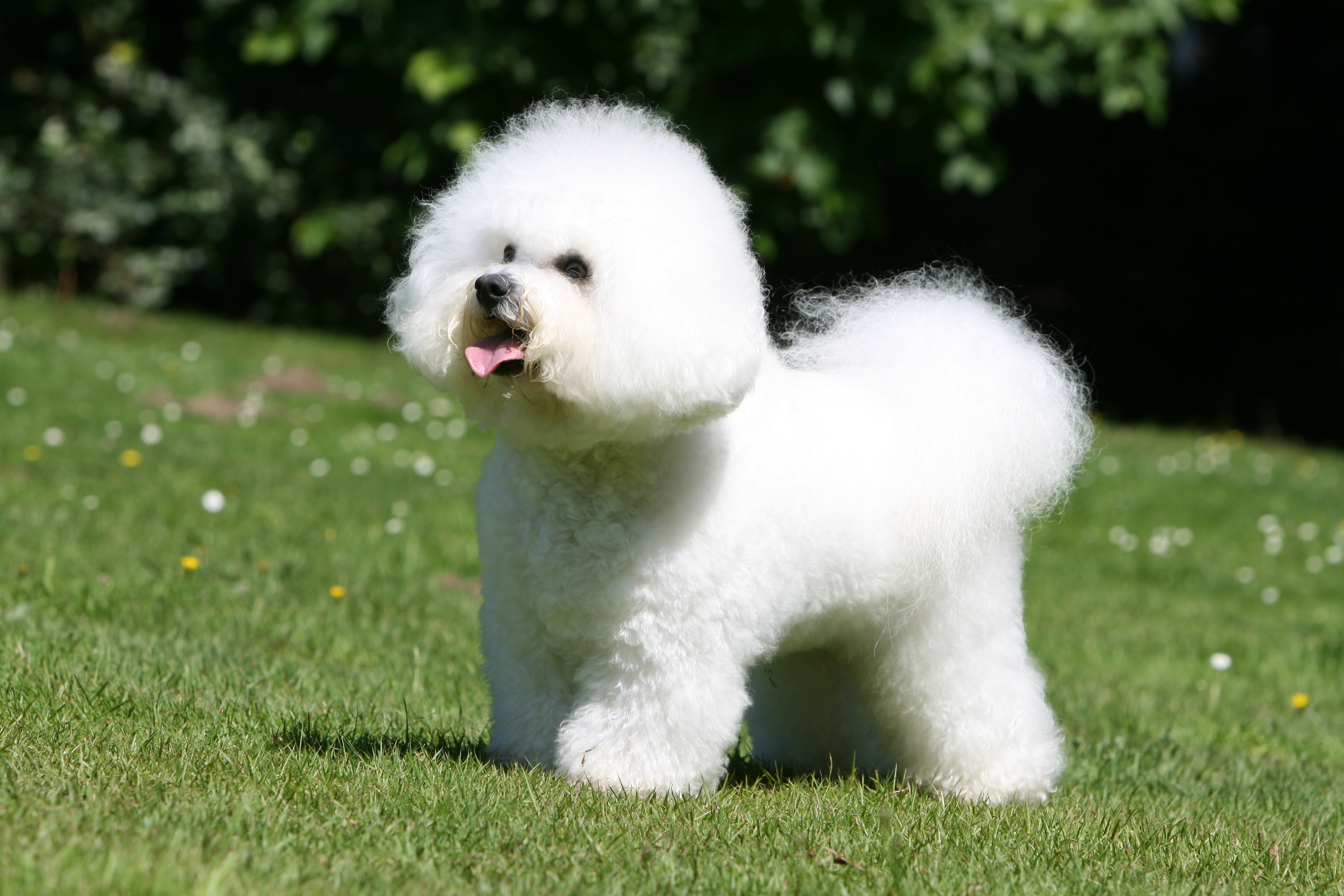
Bichon Frise

The Bichon Frise is a delightful breed that traces its roots to the Mediterranean region. Originally bred as companions, these small dogs have a natural affinity for human interaction. Their friendly and affectionate nature makes them excellent family pets and wonderful companions for people of all ages. The Bichon Frise is recognized for its distinctive coat, which is curly and white, giving them an almost teddy bear-like appearance. With their perky ears and playful demeanor, Bichon Frises bring joy to any household they become a part of.

Creating a Comfortable Living Space

Preparing your home for a Bichon Frise puppy is an important first step in its care journey. Designate a cozy and safe area where your puppy can feel secure. A crate can serve as a den-like space that not only helps with potty training but also becomes a retreat where your puppy can rest and relax. Line the crate with soft bedding to make it inviting.

Incorporate appropriate toys to keep your Bichon Frise puppy mentally stimulated and engaged. Since these pups are social by nature, consider placing the crate in an area where they can still interact with family members. Puppy-proofing your home is crucial, as curious puppies are prone to exploring and chewing on anything within their reach. Remove any potential hazards or toxic substances and secure cords to prevent accidents.

Nutritional Guidelines for Bichon Frise Puppies

Proper nutrition is the cornerstone of your Bichon Frise puppy’s growth and development. Start by choosing a high-quality puppy food that is specifically formulated to meet the nutritional needs of small breeds. Check the packaging for recommended feeding amounts and frequencies. Portion control is important to prevent overeating and obesity.

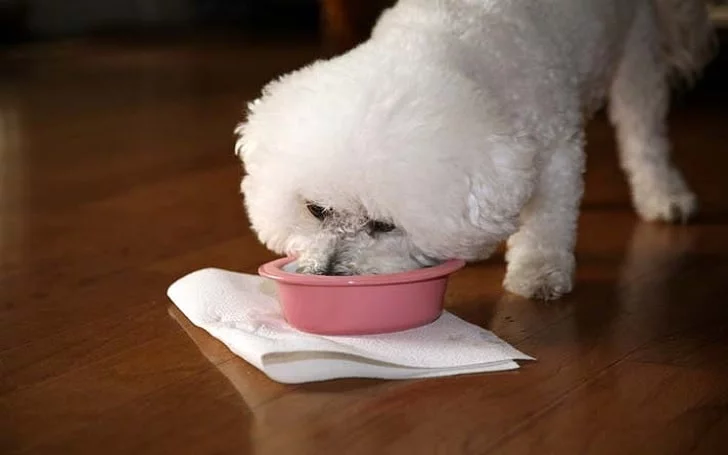
What to Feed Your Bichon Frise? Diets and Feeding Methods for Your Dog

Consulting your veterinarian for dietary recommendations tailored to your Bichon Frise puppy’s age, weight, and activity level is crucial. Puppies have different nutritional requirements than adult dogs, and your vet can provide guidance on feeding schedules and adjustments as your puppy grows.

Grooming and Coat Maintenance Tips

The Bichon Frise’s luxurious coat is one of its most iconic features, but it requires consistent grooming to keep it looking its best. Regular brushing helps prevent tangles and mats, which can become uncomfortable for your puppy. Establish a grooming routine that includes brushing your Bichon Frise’s coat at least a few times a week.

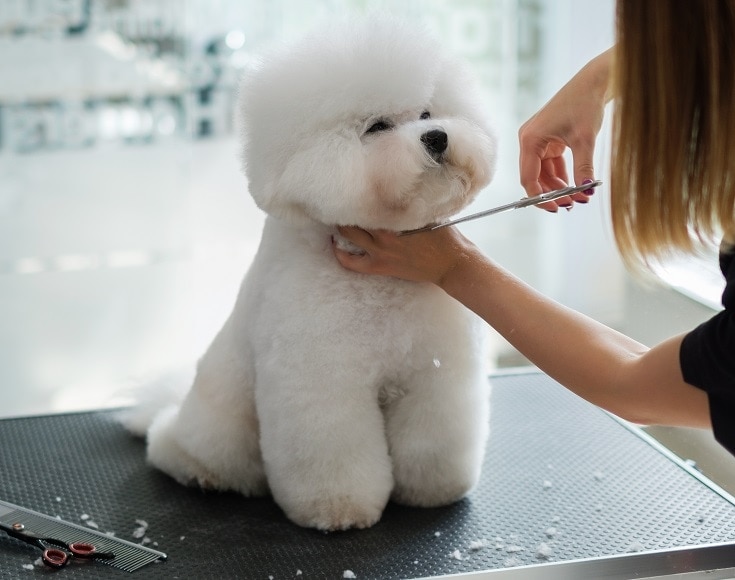
Bichon Frise Grooming: 16 Important Tips | Hepper

Professional grooming every 4 to 6 weeks helps maintain the coat’s texture and appearance. During grooming sessions, pay special attention to the eyes. Bichon Frise puppies are prone to tear staining, so gently cleaning around the eyes can help prevent staining and keep your puppy looking fresh.

In addition to coat care, keep your puppy’s nails trimmed to a comfortable length and clean their ears to prevent infections. Regular dental care, such as brushing their teeth or providing dental treats, is also important to maintain good oral health.

Training Strategies for a Well-Behaved Bichon Frise

Early training is essential to ensure your Bichon Frise grows into a well-mannered and obedient companion. Begin with basic commands such as “sit,” “stay,” “come,” and “down.” Use positive reinforcement techniques, such as treats, praise, and playtime, to reward your puppy for good behavior. Bichon Frises are intelligent and eager to please, making them responsive to positive training methods.

Socialization is another crucial aspect of training. Expose your Bichon Frise puppy to different people, animals, and environments from a young age. This helps them develop into confident and well-adjusted adults. Puppy socialization classes can provide structured environments for interaction and learning.

Health Considerations and Regular Check-ups

Maintaining your Bichon Frise’s health is a lifelong commitment. Regular veterinary check-ups are essential for monitoring your puppy’s growth, addressing any health concerns, and staying up-to-date on vaccinations and preventive treatments.

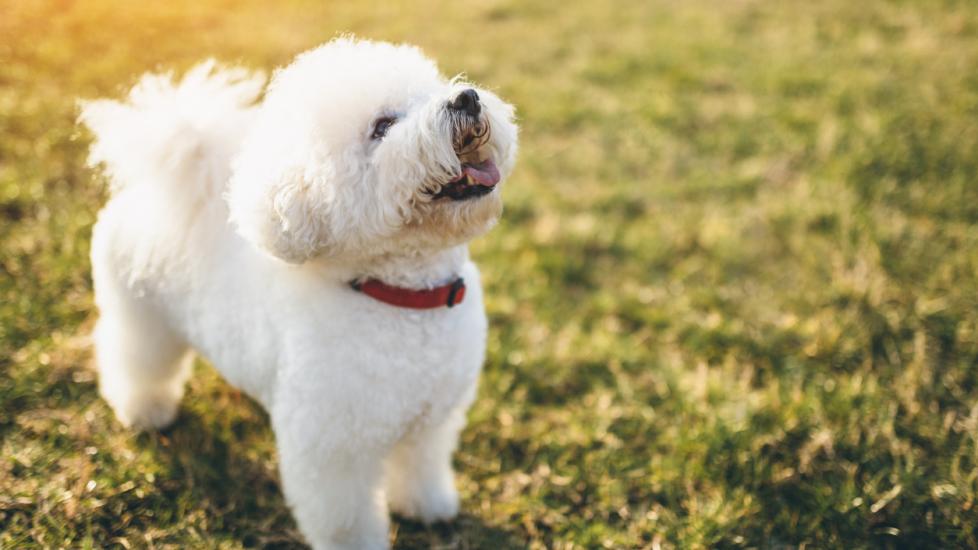
Bichon Frise Dog Breed Health and Care | PetMD

Bichon Frises can be predisposed to certain health issues, including dental problems, allergies, and joint concerns. Proper dental care, such as regular teeth brushing, can prevent dental disease. Keep an eye out for any signs of allergies, such as excessive itching or ear infections, and consult your vet if you have concerns.

Finding a Bichon Frise Puppy

If you’re looking to add a Bichon Frise puppy to your family, it’s important to find a reputable source. While you might be tempted to search for phrases like “Bichon Frise for sale near me” or “Bichon Frise puppies for sale,” it’s crucial to prioritize ethical breeding practices and the well-being of the puppies. Reputable breeders prioritize the health and happiness of their dogs over profit.

Research potential breeders thoroughly. Ask for references, visit their facilities if possible, and inquire about the health testing they conduct on their breeding dogs. If adoption is an option you’re considering, shelters and rescues can be wonderful places to find Bichon Frise puppies in need of loving homes.

Welcoming a Bichon Frise puppy into your life is a heartwarming and rewarding experience. By understanding the breed’s characteristics, providing a safe and loving environment, focusing on proper nutrition and grooming, and committing to training and health care, you’re setting the stage for a lifetime of happiness with your furry friend. Remember, a Bichon Frise’s love and companionship are matched only by the care and attention you invest in their well-being.

Traveling with Your Bichon Frise

Bichon Frisé | zooplus Magazine

If you love to travel, you’ll be pleased to know that Bichon Frise puppies can be great travel companions. However, ensure your puppy’s safety and comfort by using a secure travel crate and packing their essentials, including food, water, and familiar toys. Traveling with a Bichon Frise requires careful planning to ensure their well-being. Introduce your puppy to the travel crate beforehand, provide them with comfort items, and take frequent breaks during long journeys to allow them to stretch their legs and relieve themselves.

Building a Lifelong Bond

Lastly, remember that your Bichon Frise puppy is not just a pet, but a beloved member of your family. Spend quality time together, provide love and attention, and continue training and socializing throughout their life. The strong bond you build will result in a happy and well-adjusted adult Bichon Frise. Sharing your life with a Bichon Frise is a rewarding experience, and the love and companionship they offer make the time and effort invested in their care truly worthwhile.

In conclusion, bringing a Bichon Frise puppy into your home is a joyous occasion that comes with responsibilities. By following the guidelines in this ultimate guide, you’ll be well-prepared to provide the best possible care for your furry friend. From finding a reputable breeder to maintaining their health and happiness, every step you take will contribute to a fulfilling and lasting relationship with your Bichon Frise puppy. Your dedication to their well-being will be rewarded with years of companionship, love, and cherished memories.

Instagram
Phone
Phone
Instagram