TRUSTED BY OVER 15,000 FAMILIES SINCE 2001

When it comes to training your Bullmastiff, it’s crucial to employ effective techniques that promote good behavior and balance in your furry friend. A well-trained Bullmastiff is not only a joy to be around but also ensures a safe and harmonious environment for both the dog and its owners. In this comprehensive guide, we will explore various training methods and provide valuable insights to help you achieve successful results with your Bullmastiff.

Understanding the Bullmastiff Breed

Before diving into training techniques, it’s essential to have a solid understanding of the Bullmastiff breed. Bullmastiff puppies are large, powerful dogs known for their loyalty, intelligence, and protective nature. Originally bred to guard estates and gamekeepers in England, they possess a calm and gentle demeanor while remaining vigilant and watchful.

Establishing Trust and Leadership

To begin your Bullmastiff training journey, it’s vital to establish trust and establish yourself as the pack leader. Dogs are naturally pack animals and thrive in an environment where they understand their place in the hierarchy. By assuming the role of a calm and assertive leader, you can build a strong foundation for effective training.

Basic Obedience Training

The first step in training your Bullmastiff is to focus on basic obedience commands. These commands provide structure and discipline, ensuring your dog understands and follows your instructions. Here are a few essential commands to start with:

Sit

Teaching your Bullmastiff to sit is a fundamental command that sets the groundwork for other training exercises. To train this command, follow these steps:

  1. Hold a treat close to your dog’s nose, moving it slowly upward.
  2. As your dog follows the treat with their head, their bottom will naturally lower into a sitting position.
  3. Once their bottom touches the ground, say “Sit” and immediately reward them with the treat and praise.

Repeat this process multiple times a day until your Bullmastiff learns to sit reliably.

Stay

The “Stay” command is crucial for keeping your Bullmastiff safe and under control in various situations. Follow these steps to train your dog to stay:

  1. Ask your Bullmastiff to sit.
  2. Open your palm towards their face, say “Stay,” and take a step back.
  3. If your dog remains in place, reward them with a treat and praise.
  4. Gradually increase the distance and duration of the stay, always rewarding your Bullmastiff for successful responses.

Recall (Come)

Teaching your Bullmastiff to come when called is essential for their safety and your peace of mind. Follow these steps to train the recall command:

  1. Start in a quiet and secure area, such as your backyard.
  2. Attach a long leash to your Bullmastiff’s collar.
  3. Crouch down, open your arms, and enthusiastically call your dog’s name followed by the command “Come.”
  4. Gently guide them towards you using the leash if needed.
  5. Reward them with treats and praise once they reach you.

Consistency and positive reinforcement are key when training basic obedience commands. Practice these exercises daily in short sessions, gradually increasing the difficulty as your Bullmastiff becomes more proficient.

Addressing Behavioral Issues

In addition to basic obedience training, it’s important to address any behavioral issues that may arise in your Bullmastiff. Here are a few common issues and techniques to manage them effectively:

Socialization

Socialization is a crucial aspect of raising a well-rounded Bullmastiff. As a naturally protective breed, early exposure to different people, animals, and environments is essential to ensure your Bullmastiff becomes comfortable and well-mannered around others.

Start socializing your Bullmastiff as early as possible, ideally during the puppy stage. Introduce them to various situations and stimuli in a controlled and positive manner. Here are some tips for successful socialization:

  • Controlled Introductions: Begin with controlled introductions to people of different ages, sizes, and appearances. Gradually increase the exposure to new individuals, ensuring each encounter is pleasant and non-threatening.
  • Puppy Playdates: Arrange playdates with other well-behaved and vaccinated puppies. These interactions help your Bullmastiff learn appropriate play behaviors and develop social skills with their peers.
  • Public Outings: Take your Bullmastiff to public places with busy but controlled environments. Expose them to different sights, sounds, and smells, allowing them to adapt to various stimuli.
  • Positive Reinforcement: Always use positive reinforcement during socialization. Reward your Bullmastiff with treats, praise, and affection when they exhibit calm and friendly behavior around new people and animals.
  • Monitor Body Language: Pay close attention to your Bullmastiff’s body language during socialization. If they appear anxious or uncomfortable, remove them from the situation and try a gentler approach later.

By providing positive and diverse social experiences, you can help your Bullmastiff build confidence and become a well-mannered companion in various situations.

Crate Training for Safety and Comfort

Crate training is a valuable skill that benefits both your Bullmastiff and your household. Crates provide a safe and comfortable space for your dog, where they can retreat and relax. Additionally, crates are useful for managing your Bullmastiff’s behavior, preventing destructive tendencies when you’re not around.

Here are some tips for successful crate training:

  • Choose the Right Crate: Select a crate that is large enough for your Bullmastiff to stand, turn around, and lie down comfortably. However, avoid getting a crate that is too spacious, as it may encourage them to eliminate inside.
  • Positive Association: Create a positive association with the crate by making it a rewarding and enjoyable space. Place treats, toys, and soft bedding inside to entice your Bullmastiff to enter willingly.
  • Gradual Introduction: Introduce the crate gradually, starting with short periods of time. Leave the door open and let your Bullmastiff explore the crate at their own pace. Gradually increase the time they spend inside, always rewarding calm behavior.
  • Mealtime in the Crate: Feeding your Bullmastiff their meals inside the crate can help them associate it with positive experiences. This reinforces the idea that the crate is a safe and enjoyable space.
  • Avoid Punishment: Never use the crate as a form of punishment. The crate should be a positive and comforting space for your Bullmastiff, not a place they fear or associate with negative experiences.

Remember that crate training should be a gradual process, and each dog will respond differently. Be patient and consistent, and avoid rushing your Bullmastiff into accepting the crate as their safe haven.

Bullmastiff Training for Guardian Instincts

Being a guardian breed, Bullmastiffs have natural protective instincts. While this is a desirable trait, it’s essential to channel their guardian instincts appropriately to avoid overprotective or aggressive behavior.

Here are some tips for training your Bullmastiff’s guardian instincts:

  • Controlled Introduction to Strangers: Teach your Bullmastiff to differentiate between threatening and non-threatening situations. Expose them to new people under controlled circumstances, rewarding calm behavior and appropriate responses.
  • Focus on Obedience: Prioritize basic obedience training, as a well-trained Bullmastiff is more likely to follow your commands and remain under control in various situations.
  • Encourage Discernment: Teach your Bullmastiff to discern between normal activities and genuine threats. Avoid encouraging overreactive behavior to minor stimuli, as this may lead to excessive guarding tendencies.
  • Positive Reinforcement: Always use positive reinforcement to encourage your Bullmastiff’s desired behavior. Reward them for being alert and attentive without displaying aggressive behavior.
  • Professional Guidance: If you’re concerned about your Bullmastiff’s guardian instincts, consider seeking guidance from a professional dog trainer with experience in handling guardian breeds.

Remember that a well-trained Bullmastiff can be both a loyal companion and an effective guardian. Balancing their protective nature with obedience training is essential to ensuring a harmonious relationship between your Bullmastiff and your family.

Conclusion

Training your Bullmastiff requires patience, consistency, and a comprehensive approach that addresses both obedience and behavioral aspects. By employing effective techniques and maintaining a balanced lifestyle, you can raise a well-behaved and balanced Bullmastiff that enriches your life and the lives of those around you. Remember to always prioritize positive reinforcement and seek professional guidance if needed. With dedication and love, you can cultivate a strong bond with your Bullmastiff and create a harmonious environment that showcases the true potential of this remarkable breed.

Labrador Retrievers are one of the most beloved and popular dog breeds worldwide, known for their intelligence, loyalty, and friendly nature. As Labrador owner, understanding the various stages of their life is essential to provide them with the care and support they need at each phase. In this comprehensive guide, we will navigate through the different stages of a Labrador’s life, from puppyhood to adulthood, offering valuable insights and expert tips for responsible pet parenting.

labrador retriever puppies for sale - The Barking Babies AT AFFORDABLE PRICES

The Adorable Puppy Stage

The puppy stage is perhaps the most endearing and cherished phase of a Labrador’s life. Bringing home, a Labrador puppy is an exciting and heartwarming experience for any family. During this stage, it is crucial to focus on socialization, potty training, and basic obedience. Labradors are social animals, and early socialization helps them become well-adjusted and confident adults.

Creating a safe and comfortable space for your puppy is essential. Consider crate training, which not only aids in potty training but also provides your puppy with a sense of security. Establishing a daily routine with consistent feeding and playtimes helps instill discipline and reinforces positive behaviors.

Adolescent Challenges

As your Labrador enters adolescence, typically around six to twelve months of age, you may encounter some challenges. Labs are known to be energetic and curious, and their youthful exuberance might lead to mischief. Patience and consistent training are essential during this phase, as they are still learning and developing self-control.

During adolescence, Labradors undergo physical and hormonal changes, which can sometimes lead to a rebellious streak. It’s vital to reinforce training and continue providing mental and physical stimulation to keep them engaged and prevent destructive behaviors. Engaging your adolescent Lab in interactive games, agility training, and obedience classes can channel their energy positively and strengthen the bond between you and your furry companion.

The Adult Years

Around the age of two, Labrador Retriever puppies typically reach adulthood. At this point, they have settled into their personalities and habits, making them well-behaved and reliable companions. The adult stage is a rewarding period, as your Labrador’s training and socialization efforts start to shine through.

During this phase, maintaining regular veterinary check-ups is crucial. Preventive care, such as vaccinations, dental check-ups, and parasite control, ensures your Labrador’s continued health and well-being. A balanced diet tailored to their age, size, and activity level is also essential to support their optimal health throughout adulthood.

Dealing with Health Issues

Throughout a Labrador’s life, they may face various health issues common to the breed. Labradors are susceptible to hip and elbow dysplasia, obesity, ear infections, and certain genetic conditions. Regular exercise, a healthy diet, and scheduled vet visits can prevent and manage some of these health concerns effectively.

Obesity is a prevalent issue among Labradors, and it can lead to various health problems such as joint pain and heart disease. As a responsible owner, monitor your Lab’s weight and avoid overfeeding. Treats should be given in moderation, and opt for healthy, low-calorie options during training.

Nutrition and Diet

Proper nutrition is paramount for a Labrador’s growth and development, regardless of their life stage. Puppies require a diet that supports their rapid growth, with a focus on essential nutrients like calcium and DHA for healthy bone and brain development.

As Labradors transition to adulthood, their dietary needs change, and it’s crucial to switch to an adult formula dog food that provides balanced nutrition to maintain their ideal weight and energy levels. Older Labs may benefit from senior-specific diets, which cater to their changing metabolism and joint health.

Consult your veterinarian to determine the best diet plan for your Labrador at different life stages. Remember that a well-balanced diet is the foundation of good health and longevity for your furry friend.

 Exercise and Playtime

Labrador Retrievers are highly energetic dogs that require regular exercise and playtime to stay physically and mentally stimulated. Lack of exercise can lead to boredom-related behaviors, such as excessive barking, chewing, or digging.

From puppyhood to adulthood, incorporate daily walks, interactive games, and mental stimulation to keep your Lab content and happy. Labradors also excel in various dog sports, such as agility, fetch, and swimming, which provide excellent opportunities for bonding and exercise.

Grooming and Coat Care

Labradors have a distinctive double coat that sheds seasonally. Regular grooming is essential to keep their coat clean and free from matting. During shedding seasons, more frequent brushing will help reduce loose hair around the house.

In addition to coat care, pay attention to other grooming aspects such as ear cleaning, nail trimming, and dental care. Regular dental check-ups and teeth cleaning are vital to prevent dental issues, as dental health plays a crucial role in your Labrador’s overall well-being.

Training and Obedience

Early and consistent training is critical for Labradors, especially during their puppy and adolescent stages. Labradors are intelligent and eager to please, making them highly trainable. Positive reinforcement training methods work exceptionally well with this breed, using treats, praise, and affection to reward good behavior.

Teach your Labrador basic commands like sit, stay, and recall, and gradually move on to more advanced training as they mature. Training not only establishes a well-behaved dog but also builds trust and strengthens your bond with your Labrador.

Mental and Emotional Well-being

Labrador Retrievers thrive on companionship and love being part of a family. As highly social animals, they can suffer from separation anxiety if left alone for extended periods. Be attentive to their emotional needs and spend quality time with them regularly.

Providing mental stimulation through puzzle toys, interactive games, and training sessions will keep their minds sharp and prevent boredom-related behaviors. Additionally, consider enrolling them in doggy daycare or arranging playdates with other friendly dogs to satisfy their social needs.

Aging Gracefully

As Labradors age, they may experience a decline in energy levels and mobility. Adjust their exercise routine to accommodate their changing needs, and consider providing joint supplements to support their aging joints.

Older Labradors may also require a softer bed or orthopedic mattress to alleviate pressure on their joints while resting. Regular check-ups with the vet can help identify and address age-related health issues early on, allowing you to provide the best possible care during your senior years.

Conclusion

Owning a Labrador is a rewarding experience, and being well-informed about the different stages of their life is essential for responsible pet ownership. From the cute and cuddly puppy stage to the mature and devoted adult years, each phase comes with its unique joys and challenges.

By providing love, care, and proper attention to your Labrador at every stage, you can ensure a long, healthy, and fulfilling companionship that lasts a lifetime. Remember, a happy and well-cared-for Labrador will be your most loyal and loving friend, making every moment shared with your four-legged companion truly special. Embrace each stage of your Labrador’s life with open arms, and cherish the beautiful memories you create together on this incredible journey.

The history of Jack Russell Terriers dates back to the 19th century in England. Reverend John Russell, a parson from Devonshire, is credited with developing the breed. He sought to create a terrier with specific hunting traits to assist in foxhunting.

Reverend Russell’s goal was to breed a small, agile, and fearless terrier that could work alongside foxhounds, pursuing and flushing out foxes. These terriers were named after their creator and became known as Jack Russell Terriers.

Jack Russell terrier puppies for sale - The Barking Babies

The breed’s lineage can be traced back to various types of working terriers, including the Fox Terrier, Bull Terrier, and Beagle, among others. The Jack Russell Terrier’s primary purpose was to keep up with the foxhounds, dive into fox dens, and chase down foxes that had gone to the ground.

Over time, the Jack Russell Terrier gained popularity not only as a working dog but also as a beloved companion. Their intelligence, lively personality, and boundless energy make them suitable for various activities such as agility, obedience, and terrier trials.

Today, Jack Russell Terriers continue to be cherished for their tenacity, athleticism, and charming nature, both as working dogs and as cherished members of households worldwide.

Characteristics and Appearance of Jack Russell Terrier Puppies

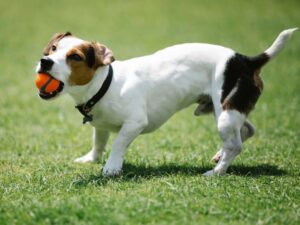
Jack Russell Terrier puppies are known for their distinctive characteristics and adorable appearance. These small yet energetic dogs are often recognized for their lively and spirited nature.

In terms of their physical attributes, Jack Russell Terrier puppies typically have a compact and muscular build. They possess a well-balanced body with a deep chest and strong legs, allowing them to be agile and quick on their feet. Their heads are proportionate to their bodies, featuring a slightly tapered muzzle and dark, expressive eyes that radiate intelligence.

One of the most notable characteristics of Jack Russell Terrier puppies is their unique coat. They have a dense, double-layered coat that can come in a variety of colors, including white, black, tan, or a combination of these shades. Their short, coarse outer coat serves as protection against the elements, while the dense undercoat provides insulation.

Despite their small size, Jack Russell Terrier puppies exude confidence and possess a keen sense of curiosity. They are known for their boundless energy and enthusiasm, which requires regular exercise and mental stimulation to keep them happy and content.

Overall, Jack Russell Terrier puppies are charming and charismatic companions, combining their striking appearance with a vibrant personality that captures the hearts of many dog lovers.

Choosing the Right Jack Russell Terrier Puppy for You

When it comes to choosing the right Jack Russell Terrier puppy for you, it’s important to take your time and make an informed decision. One option is to visit The Barking Babies pet shop in Delhi, where you can find Jack Russell Terrier puppies for sale. This reputable pet shop is known for its quality breeds and adherence to ethical breeding practices.

Before making a purchase, consider your lifestyle and the specific needs of a Jack Russell Terrier. These energetic and intelligent dogs require an active owner who can provide them with plenty of exercise and mental stimulation. Additionally, their strong hunting instincts mean they may not be suitable for households with small pets.

When visiting The Barking Babies pet shop, take the time to interact with the available Jack Russell Terrier puppies. Observe their behavior, temperament, and overall health. Ask the staff about the puppy’s background, including any health clearances or certifications.

Price is also an important factor to consider, but it should not be the sole determining factor. Remember that the cost of a Jack Russell Terrier puppy encompasses more than just the initial purchase price. Ongoing expenses such as food, veterinary care, grooming, and training should also be taken into account.

By carefully considering these factors and doing your research, you can find the perfect Jack Russell Terrier puppy that will fit seamlessly into your life and bring you joy for years to come.

Essential Supplies for Your Jack Russell Terrier Puppy

When bringing home a Jack Russell Terrier puppy, it’s important to have the essential supplies to ensure their comfort, safety, and overall well-being. Here are some items you’ll need:

  1. Collar and Leash: Invest in a well-fitting collar and a sturdy leash for walks and outings. Ensure the collar has identification tags with your contact information.
  2. Food and Water Bowls: Choose durable, non-slip bowls that are appropriate for your puppy’s size. Stainless steel or ceramic bowls are recommended as they are easy to clean and hygienic.
  3. High-Quality Puppy Food: Opt for a high-quality, age-appropriate puppy food that meets the nutritional needs of Jack Russell Terriers. Consult your veterinarian for specific recommendations.
  4. Bed or Crate: Provide a comfortable bed or crate where your puppy can rest and feel secure. Make sure it’s appropriately sized for your growing pup.
  5. Chew Toys: Jack Russell Terriers are active and intelligent dogs that love to chew. Invest in a variety of safe and durable chew toys to keep your puppy entertained and help with teething.
  6. Grooming Supplies: Brushing, nail trimming, and ear cleaning are essential for maintaining your puppy’s hygiene. Purchase a brush, nail clippers, and ear cleaning solution specifically designed for dogs.
  7. Training Supplies: Get treats, clickers, and training pads to facilitate effective training and housebreaking.

By ensuring you have these essential supplies, you’ll be well-prepared to provide a comfortable and nurturing environment for your Jack Russell Terrier puppy. Remember to regularly check and replenish these items as your puppy grows and their needs change.

Feeding and Nutrition for Jack Russell Terrier Puppies

Feeding and nutrition play a crucial role in the healthy development of Jack Russell Terrier puppies. These energetic little dogs have specific dietary requirements to support their growth and maintain their overall well-being.

When it comes to feeding your Jack Russell Terrier puppy, it’s important to provide them with high-quality puppy food that is specifically formulated for small breeds. Look for a balanced diet that contains essential nutrients like protein, fats, carbohydrates, vitamins, and minerals. The food should have real meat as the primary ingredient and be free from fillers, artificial additives, and preservatives.

It’s recommended to follow the feeding guidelines provided by the manufacturer and divide your puppy’s daily food into several small meals throughout the day to prevent overeating and aid digestion. As your puppy grows, you can gradually transition to a feeding schedule of two to three meals per day.

Additionally, ensure your Jack Russell Terrier puppy has access to fresh water at all times. Water is essential for hydration and helps maintain proper bodily functions.

Consult with your veterinarian to determine the appropriate portion sizes and feeding schedule based on your Jack Russell Terrier puppy’s age, weight, and activity level. Regular monitoring of your puppy’s weight and body condition is essential to adjust the feeding regimen as needed.

Remember, providing a nutritious and balanced diet is essential for the long-term health and vitality of your Jack Russell Terrier puppy.

Jack Russell Terrier Puppy Care and Grooming Tips

Taking care of a Jack Russell Terrier puppy involves proper grooming to keep them healthy and looking their best. Here are some essential care and grooming tips for your Jack Russell Terrier puppy:

  1. Brushing: Regular brushing is important to remove loose hair, prevent matting, and keep their coat clean. Use a slicker brush or a grooming mitt to gently brush your puppy’s coat. Pay special attention to their dense undercoat.
  2. Bathing: Jack Russell Terriers have a coarse, wiry coat that doesn’t require frequent bathing. Aim to bathe your puppy every 2-3 months or as needed. Use a mild dog shampoo and rinse thoroughly to avoid skin irritations.
  3. Nail Trimming: Trim your puppy’s nails regularly to prevent them from becoming too long and causing discomfort. Be cautious not to cut into the quick, sensitive area in the nail that can cause bleeding. If you’re unsure, consult a professional groomer or your veterinarian.
  4. Dental Care: Brushing your puppy’s teeth is essential to maintain their oral health. Use a dog-friendly toothbrush and toothpaste to clean their teeth regularly. Additionally, provide them with dental chews or toys to help remove plaque and tartar buildup.
  5. Ear Cleaning: Check your puppy’s ears weekly for signs of redness, odor, or discharge. Use a vet-approved ear cleaner and gently wipe the outer ear with a cotton ball or a soft cloth. Avoid inserting anything deep into the ear canal.
  6. Eye Care: Keep your puppy’s eyes clean and free from discharge. Use a damp cloth to wipe around their eyes, being careful not to touch the eyeball directly. If you notice excessive tearing, redness, or any signs of discomfort, consult your veterinarian.
  7. Professional Grooming: Consider taking your Jack Russell Terrier puppy to a professional groomer for regular grooming sessions. They can trim the coat, clean the ears, and provide additional services like plucking hair from the ear canals, if necessary.

Remember to make grooming a positive experience for your Jack Russell Terrier puppy by offering treats and praise. Regular care and grooming will not only keep them looking great but also contribute to their overall well-being.

Training and Socializing Your Jack Russell Terrier Puppy

Training and socializing your Jack Russell Terrier puppy are crucial steps in raising a well-behaved and well-adjusted companion. These energetic and intelligent dogs thrive when given proper guidance and opportunities for social interactions.

Training should begin early to establish good behaviors and obedience. Jack Russell Terriers are known for their high energy levels and independent nature, so consistent and positive reinforcement methods work best. Start with basic commands such as sit, stay, and come, and gradually progress to more advanced training exercises. Patience, consistency, and rewards-based training techniques are essential for success.

Equally important is socializing your Jack Russell Terrier puppy. Expose them to a variety of people, animals, and environments from a young age. This helps prevent fear and aggression issues later on. Arrange playdates with other friendly dogs, introduce them to new sights and sounds, and provide positive experiences to build their confidence.

Training and socializing should be ongoing throughout your Jack Russell Terrier’s life. Consider enrolling in obedience classes or seeking guidance from a professional dog trainer if needed. With proper training and socialization, your Jack Russell Terrier puppy can grow into a well-mannered and happy adult dog who enjoys positive interactions with both humans and other animals.

Exercise and Activity Requirements for Jack Russell Terrier Puppies

Jack Russell Terrier puppies are known for their boundless energy and need for regular exercise and activity. These little bundles of energy require an outlet to burn off their energy and stay physically and mentally stimulated.

To meet their exercise needs, Jack Russell Terrier puppies should engage in daily activities that challenge their agility and intelligence. This breed excels in activities like fetch, agility courses, and obedience training. Long walks or jogs are also beneficial for their overall well-being.

It’s important to note that exercise for Jack Russell Terrier puppies should be balanced with their age and physical capabilities. Puppies have growing bodies, so excessive high-impact activities or jumping should be avoided to prevent injury.

When providing exercise for your Jack Russell Terrier puppy, always prioritize their safety. Ensure they have a secure and enclosed area to play in, as they have a tendency to wander off or chase after small animals.

Remember, a tired Jack Russell Terrier puppy is often a well-behaved and happy one. By meeting their exercise and activity requirements, you can help channel their energy in a positive way and promote their overall health and happiness.

Common Health Issues in Jack Russell Terrier Puppies

Jack Russell Terrier puppies are generally healthy and robust, but like any breed, they can be prone to certain health issues. Being aware of these common health problems can help you take proactive measures to keep your Jack Russell Terrier puppy happy and healthy.

One common health issue in Jack Russell Terrier puppies is patellar luxation, which occurs when the kneecap dislocates from its normal position. This condition can cause lameness and discomfort for the puppy. Another concern is inherited eye disorders such as lens luxation and cataracts, which can affect their vision.

Jack Russell Terrier puppies are also susceptible to skin allergies and dermatitis, often triggered by environmental factors or food sensitivities. Additionally, they may experience dental problems like periodontal disease if proper oral hygiene is not maintained.

It is crucial to provide regular veterinary check-ups, maintain a balanced diet, and practice good grooming habits for your Jack Russell Terrier puppy. Early detection and intervention can significantly improve the outcome of any health issues that may arise. Remember to consult with a veterinarian for specific advice tailored to your puppy’s individual needs.

Vaccinations and Preventive Healthcare for Jack Russell Terrier Puppies

Vaccinations and preventive healthcare play a crucial role in ensuring the health and well-being of Jack Russell Terrier puppies. As a responsible pet owner, it’s essential to stay up to date with their vaccination schedule and provide them with proper preventive care.

One of the primary vaccinations for Jack Russell Terrier puppies is the core vaccine, which protects against common and potentially life-threatening diseases such as rabies, distemper, parvovirus, and adenovirus. These vaccines are usually administered in a series of shots, starting at around 6 to 8 weeks of age and continuing at regular intervals until the puppy is fully protected.

In addition to core vaccines, your veterinarian may recommend non-core vaccines based on your puppy’s lifestyle and risk factors. These may include vaccines for diseases like leptospirosis, bordetella (kennel cough), or Lyme disease.

Preventive healthcare for Jack Russell Terrier puppies also involves regular check-ups, deworming, flea and tick control, and heartworm prevention. Your veterinarian can provide guidance on the appropriate preventive measures for your puppy.

Remember, vaccinations and preventive healthcare not only protect your Jack Russell Terrier puppy but also contribute to the overall health and safety of other pets and humans they come into contact with. Consult with your veterinarian to create a tailored vaccination and preventive healthcare plan to keep your furry friend happy and healthy.


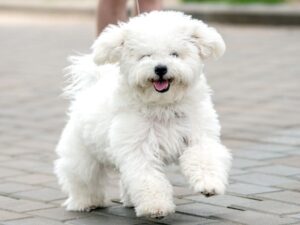
Grooming plays a vital role in the overall health and well-being of a Bichon Frise puppy. These adorable fluffy companions have a dense, curly coat that requires regular care and attention. Grooming helps maintain the cleanliness of their coat, prevents matting and tangling, and ensures their skin remains healthy. Moreover, regular grooming sessions allow you to inspect your Bichon Frise puppy’s body for any signs of skin issues, parasites, or other health concerns.

Bichon Frise

What are the essential grooming tools for a Bichon Frise puppy?

To groom a Bichon Frise puppy effectively, you’ll need a few essential tools. These include:

  • Slicker brush: A slicker brush is excellent for removing tangles, mats, and loose hair from your Bichon Frise puppy’s coat.
  • Comb: A fine-toothed comb helps you untangle any remaining knots and keeps the coat neat and free of debris.
  • Dog-safe shampoo and conditioner: Choose a high-quality shampoo and conditioner specifically formulated for dogs. Avoid using human products as they can be harmful to your puppy’s skin.
  • Nail clippers: Keep your Bichon Frise puppy’s nails trimmed to prevent discomfort and potential injury.
  • Ear cleaner: Bichon Frises are prone to ear infections, so it’s crucial to have a gentle ear cleaner to remove dirt and prevent buildup.
  • Toothbrush and toothpaste: Regular brushing helps maintain your puppy’s dental health and prevents issues like plaque and tartar buildup.

How often should you groom a Bichon Frise puppy?

Bichon Frise puppies require regular grooming to keep their coats in optimal condition. Ideally, you should brush your Bichon Frise puppy’s coat daily to prevent matting and tangles. This breed also benefits from a bath every three to four weeks, depending on their activity level and how dirty they get. Additionally, their nails should be trimmed every few weeks, and their ears should be checked and cleaned once a week to avoid infections.

What are the key steps in grooming a Bichon Frise puppy?

Grooming a Bichon Frise puppy involves several key steps to ensure its coat, skin, ears, nails, and teeth are well-maintained. Here’s a breakdown of the main grooming routine:

  1. Brushing: Start by gently brushing your puppy’s coat using a slicker brush to remove any loose hair, tangles, or mats. Pay close attention to the areas behind the ears, under the legs, and around the tail.
  2. Bathing: Use lukewarm water and a dog-safe shampoo to give your Bichon Frise puppy a thorough bath. Massage the shampoo into their coat, paying attention to their skin. Rinse the shampoo out completely and apply a dog conditioner if desired. Rinse again and towel dry your puppy.
  3. Coat trimming: Bichon Frises have hair that continuously grows, so occasional trimming is necessary to maintain their signature appearance. Consider taking your puppy to a professional groomer for precise and breed-appropriate trims.
  4. Nail trimming: Regularly trim your puppy’s nails using dog nail clippers. Be cautious not to cut too close to the quick, which can cause bleeding and discomfort. If you’re unsure, seek guidance from a professional groomer or veterinarian.
  5. Ear cleaning: Gently clean your Bichon Frise puppy’s ears using a dog-specific ear cleaner and cotton balls. Avoid inserting anything deep into the ear canal and gently wipe away any dirt or debris.
  6. Dental care: Brush your Bichon Frise puppy’s teeth regularly with a dog toothbrush and toothpaste. This helps prevent dental issues such as plaque buildup, tartar, and bad breath. Consult your veterinarian for guidance on dental care products suitable for your puppy.

How to properly brush a Bichon Frise puppy’s coat?

Brushing a Bichon Frise puppy’s coat requires a systematic approach to ensure all areas are properly attended to. Follow these steps for effective brushing:

  • Begin at the head and work your way down, using a slicker brush to gently brush the fur in the direction of hair growth.
  • Pay close attention to areas prone to matting, such as behind the ears, under the legs, and around the tail.
  • If you encounter any tangles or mats, use your fingers or a comb to carefully work through them, starting from the edges and working inward.
  • Regularly check the brush for accumulated hair and remove it to prevent clogging.

What are the recommended grooming products for a Bichon Frise puppy?

When grooming a Bichon Frise puppy, it’s essential to use high-quality grooming products designed specifically for dogs. Look for:

  • Dog-specific shampoos and conditioners are formulated to nourish the coat and maintain skin health.
  • Ear cleaners that are gentle, non-irritating, and effectively remove dirt and debris.
  • Dog toothbrushes and toothpaste are specifically designed for canine dental care.
  • Dog nail clippers or grinders are suitable for the size and thickness of your Bichon Frise puppy’s nails.

Always read the product labels and consult your veterinarian for specific product recommendations based on your puppy’s needs.

How to clean a Bichon Frise puppy’s ears during grooming?

Cleaning your Bichon Frise puppy’s ears should be done carefully to prevent any discomfort or damage. Here’s a step-by-step guide:

  • Begin by gathering the necessary supplies: a dog-specific ear cleaner and cotton balls or gauze pads.
  • Gently lift your puppy’s ear flap and apply a few drops of the ear cleaner into the ear canal. Massage the base of the ear for a few seconds to help loosen any dirt or wax.
  • Use a cotton ball or gauze pad to wipe away the cleaner and any dirt or debris that comes out. Avoid inserting anything deep into the ear canal.
  • Repeat the process with the other ear.
  • If you notice any signs of redness, swelling, discharge, or persistent odor, consult your veterinarian as it may indicate an ear infection.

What are the best practices for trimming a Bichon Frise puppy’s nails?

Trimming your Bichon Frise puppy’s nails requires patience and caution to prevent any accidental injuries. Follow these guidelines for safe and effective nail trimming:

  • Choose a quiet, well-lit area to perform the nail trimming. Ensure you have good visibility of the nail and quick.
  • Use dog-specific nail clippers or a grinder suitable for your puppy’s size.
  • Hold your puppy’s paw gently but firmly, and locate the quick—a pink area within the nail that contains blood vessels and nerves. Avoid cutting into the quick, as it can cause bleeding and pain.
  • Trim a small portion of the nail at a time, making sure to maintain a safe distance from the quick.
  • If your puppy has dark nails, trim small sections gradually until you see a grayish or pinkish circle appear in the center of the freshly cut nail.
  • If you’re unsure or uncomfortable with trimming nails, consult a professional groomer or veterinarian for guidance and assistance.

How to maintain a Bichon Frise puppy’s dental hygiene through grooming?

Maintaining your Bichon Frise puppy’s dental hygiene is essential for their overall health. Follow these steps to promote good oral care:

  • Introduce toothbrushing gradually to your puppy to ensure they become comfortable with the process. Start by using your finger to massage their gums and gradually transition to a dog toothbrush.
  • Use dog-specific toothpaste that is safe to swallow and comes in flavors appealing to dogs.
  • Gently brush your puppy’s teeth using a dog toothbrush, focusing on the outer surfaces of the teeth and along the gumline. Aim for at least three times a week, but daily brushing is optimal.
  • Provide dental chews or toys designed to help clean teeth and promote chewing, which aids in removing plaque and tartar buildup.
  • Regularly schedule professional dental cleanings with your veterinarian to address any advanced dental issues and ensure comprehensive dental care for your Bichon Frise puppy.

How to ensure a stress-free grooming experience for a Bichon Frise puppy?

To create a stress-free grooming experience for your Bichon Frise puppy, consider the following tips:

  • Introduce grooming gradually from a young age, making it a positive and rewarding experience.
  • Use positive reinforcement techniques, such as treats and praise, to reward your puppy’s calm and cooperative behavior during grooming.
  • Keep grooming sessions short initially, gradually increasing the duration as your puppy becomes more comfortable.
  • Create a calm and soothing environment by using soft lighting, soothing music, and a non-slip surface.
  • Regularly handle your puppy’s paws, ears, and other body parts to familiarize them with touch and make grooming less intimidating.
  • If your puppy shows signs of stress or anxiety, take breaks, offer reassurance, and consult a professional groomer or a certified dog trainer for additional guidance.

Remember, patience, consistency, and positive reinforcement are key to establishing a positive grooming routine for your Bichon Frise puppy.

In India, dogs have always been regarded as loyal companions and cherished members of the family. As of 2023, several dog breeds have gained immense popularity among pet lovers across the country. These breeds have captured the hearts of many due to their distinct characteristics, temperament, and suitability for the Indian climate and lifestyle. Let’s explore the top ten most popular dog breeds in India in 2023.

1. Golden Retriever

Golden Retrievers are widely regarded as one of the most beloved and popular dog breeds in India. Their friendly and gentle nature, combined with their stunning golden coats, make them incredibly appealing to dog enthusiasts. Golden Retrievers are not only beautiful but also highly intelligent and easily trainable, making them ideal for various roles such as therapy dogs, assistance dogs, and search and rescue dogs. Their innate eagerness to please and their remarkable patience with children make them an excellent choice for families looking for a loving and loyal companion.

golden retriever puppy for sale in Delhi - The Barking Babies

If you’re considering adding a Golden Retriever to your family, it’s important to find a reputable breeder or consider adopting one from a recognized shelter or rescue organization. These options ensure that you acquire a healthy and well-socialized puppy or adult dog. Keep in mind that Golden Retrievers require regular exercise, grooming, and attention to maintain their well-being and keep their magnificent coats in top condition. Check with local breeders and adoption centers to find Golden Retrievers for sale or adoption in your area.

2. Labrador Retriever

Labrador Retrievers continue to hold a strong position as one of the most popular dog breeds in India. Their friendly and outgoing nature, combined with their intelligence and versatility, make them a beloved choice for families and individuals alike. Labs excel in various activities such as obedience training, hunting, and therapy work, thanks to their quick learning abilities and desire to please.

labrador retriever puppies for sale - The Barking Babies AT AFFORDABLE PRICES

Labrador Retrievers have a short, dense coat that is easy to maintain with regular brushing. Their energy levels require regular exercise and mental stimulation, making them a great fit for active households. They are excellent with children and generally get along well with other pets, making them an ideal choice for families looking for a loyal and affectionate companion.

When searching for a Labrador Retriever, it’s important to find a reputable breeder who prioritizes the health and well-being of their dogs. Alternatively, consider adopting from recognized shelters or rescue organizations. Always ensure that the breeder or organization follows responsible breeding and adoption practices to support the overall welfare of Labrador Retrievers in India.

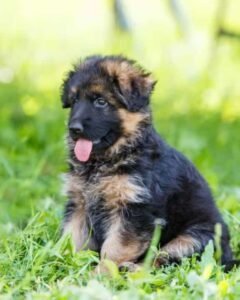
3. German Shepherd

The German Shepherd is a breed renowned for its intelligence, loyalty, and versatility. They hold a special place among dog lovers in India and are often seen as working dogs in various fields. Their protective instincts and trainability make them highly sought after as police dogs, search and rescue dogs, and service dogs.

German Shepherds require consistent training and socialization from an early age to develop into well-rounded companions. They have a thick double coat that requires regular grooming to maintain their appearance and overall cleanliness. German Shepherds are known for their unwavering loyalty to their families, making them exceptional guard dogs and trusted family pets.

If you’re considering adding a German Shepherd to your household, it’s crucial to find a reputable breeder or adoption center that prioritizes the breed’s health and temperament. Responsible breeders and adoption organizations focus on breeding and placing German Shepherds with suitable families. Always take the time to research and choose a reliable source when looking for German Shepherds for sale or adoption in India.

4. French Bulldog

French Bulldogs have witnessed a surge in popularity in recent years and continue to be a favored breed in India. Known for their distinctive bat-like ears, affectionate nature, and adaptability to different living situations, Frenchies make wonderful companions for individuals and families alike. Their compact and muscular build makes them well-suited for apartment living, and their friendly and playful temperament endears them to people of all ages.

French Bulldogs have short coat that requires minimal grooming, making them low-maintenance in terms of grooming needs. They thrive on human companionship and enjoy being a part of family activities. French Bulldogs are known for their affectionate and sociable nature, getting along well with children and other pets, making them an ideal choice for families.

When searching for a French Bulldog, it’s important to find a reputable breeder who prioritizes the breed’s health and temperament. Due to their popularity, French Bulldogs are sometimes subject to irresponsible breeding practices, which can result in health issues. Ensure that the breeder conducts health screenings and follows ethical breeding standards. Additionally, adoption centers and rescue organizations often have French Bulldogs available for adoption, offering a chance to give a loving home to a Frenchie in need.

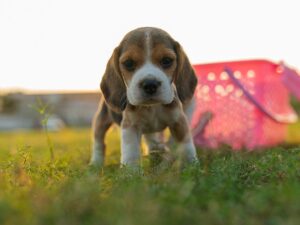
5. Beagle Puppies

Beagle puppies have a special appeal with their adorable floppy ears, soulful eyes, and playful personalities. These small to medium-sized hounds are known for their keen sense of smell and friendly nature. Beagles are versatile dogs, often serving as both family pets and hunting companions.

Beagles are energetic and require regular exercise to keep them physically and mentally stimulated. They are highly curious and known for their love of exploration, so secure fencing is essential to prevent them from following their nose on outdoor adventures. Beagle puppies have short, dense coat that is easy to maintain with regular brushing.

When looking for Beagle puppies, it’s important to find reputable breeders who prioritize the breed’s health and temperament. Responsible breeders will ensure proper socialization and offer guidance on training and care. Alternatively, consider adopting a Beagle puppy from recognized shelters or rescue organizations, where you can provide a loving home to a puppy in need.

6. Bullmastiff

Bullmastiffs are large and powerful dogs with a gentle and protective nature. They are often referred to as “gentle giants” due to their imposing size and calm demeanor. Bullmastiffs make excellent guard dogs and family pets, providing a sense of security and loyalty to their owners.

With a short coat that requires minimal grooming, Bullmastiffs are relatively low-maintenance in terms of grooming needs. They are known for their patient and affectionate nature, making them great companions for families with children. However, proper training and socialization are crucial to ensure that their protective instincts are channeled appropriately.

When considering a Bullmastiff, it’s important to find a reputable breeder who prioritizes the breed’s health and temperament. Responsible breeders will conduct health screenings and provide proper care for the puppies. Adoption centers and rescue organizations may also have Bullmastiffs available for adoption, offering an opportunity to give a loving home to a Bullmastiff in need.

7. Pug

Pugs have an unmistakable appearance with their wrinkled face, expressive eyes, and curly tail. These small and charming dogs have gained significant popularity in India and are known for their playful and friendly temperament. Pugs thrive on human companionship and enjoy being the center of attention.

PUG puppies for sale - The Barking Babies

With a short coat that requires regular brushing, Pugs are relatively low-maintenance in terms of grooming needs. They are generally adaptable to different living situations, making them suitable for apartment living or larger homes. Pugs are known for their love of play and their ability to get along well with children and other pets, making them an ideal choice for families.

When searching for a Pug, it’s essential to find a reputable breeder who prioritizes the breed’s health and well-being. Pugs are a brachycephalic breed, which means they can be prone to certain health issues related to their short snouts. Responsible breeders will conduct health screenings and take steps to ensure the overall health of their Pugs. Additionally, adoption centers and rescue organizations often have Pugs available for adoption, providing an opportunity to give a loving home to a Pug in need.

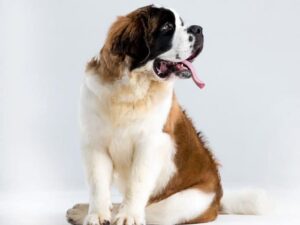
8. Saint Bernard

Saint Bernards are large and gentle dogs known for their loyalty and rescue instincts. These majestic dogs have a thick double coat that requires regular grooming to keep it clean and tangle-free. Saint Bernards have a reputation for being excellent family pets, known for their patience, affection, and devotion.

saint bernard puppies for sale - The Barking Babies

With their patient and gentle nature, Saint Bernards are great with children and make wonderful companions for families. They are often referred to as “gentle giants” due to their imposing size and calm temperament. However, their large size and exercise needs should be taken into consideration when deciding if they are a suitable fit for your living situation.

When considering a Saint Bernard, it’s important to find a reputable breeder who focuses on breeding healthy and well-tempered dogs. Responsible breeders conduct health screenings and provide proper care for their puppies. Alternatively, adoption centers and rescue organizations may have Saint Bernards available for adoption, providing an opportunity to give a loving home to a Saint Bernard in need.

9. Siberian Husky

Siberian Huskies are known for their striking beauty, with their thick double coats, captivating blue or multicolored eyes, and expressive facial features. These energetic dogs are highly sought after in India, admired for their endurance, athleticism, and independent spirit. Siberian Huskies were originally bred as sled dogs, and their natural instincts and energy levels reflect their working heritage.

Huskies require regular exercise and mental stimulation to prevent boredom and ensure their well-being. They have a strong prey drive and may not be suitable for homes with small animals, as their instinct to chase can be challenging to manage. Siberian Huskies have a thick coat that requires regular grooming, particularly during shedding seasons.

When looking for a Siberian Husky, it’s crucial to find a reputable breeder who prioritizes the breed’s health and temperament. Responsible breeders will provide guidance on training, exercise needs, and care requirements. Adoption centers and rescue organizations may also have Siberian Huskies available for adoption, offering a chance to provide a loving home to a Husky in need.

Remember to always do thorough research, visit the breeder or adoption center in person, and ask questions to ensure that you acquire a healthy and well-socialized dog from a trustworthy source. Responsible breeding and adoption practices are vital to support the overall welfare of these popular dog breeds in India.

10. Yorkshire Terrier

The Yorkshire Terrier, often affectionately referred to as the “Yorkie,” is a small and elegant breed that has captured the hearts of many dog lovers around the world, including in India. Despite their small stature, Yorkshire Terriers are known for their confident and lively personalities. They are beloved for their long, silky coats and their endearing expressions.

Yorkshire Terriers make excellent companions, bringing joy and affection to their families. They thrive on human companionship and love to be at the center of attention. Despite their small size, Yorkies have a bold and courageous nature, which makes them excellent watchdogs. They are intelligent and eager to learn, making them highly trainable.

One of the distinctive features of Yorkshire Terriers is their beautiful coat. The long, silky hair requires regular grooming to keep it healthy and tangle-free. Regular brushing, along with periodic visits to a professional groomer, helps maintain the Yorkie’s elegant appearance.

Yorkshire Terriers are adaptable and can fit into various living environments, whether it’s an apartment or a larger home. However, their small size means they may be more delicate and need to be handled with care, especially around young children.

When considering adding a Yorkshire Terrier to your family, it’s essential to find a reputable breeder who prioritizes the breed’s health and temperament. Responsible breeders will provide you with a healthy puppy, along with documentation of health screenings for the parents. Alternatively, adoption centers and rescue organizations may have Yorkshire Terriers available for adoption, offering an opportunity to provide a loving home to a Yorkie in need.

Whether you’re looking for a loyal companion or a delightful addition to your family, the Yorkshire Terrier’s charm, intelligence, and affectionate nature make them a beloved choice for many dog enthusiasts in India.

Instagram
Phone
Phone
Instagram