TRUSTED BY OVER 15,000 FAMILIES SINCE 2001

Introduction: Welcoming a new puppy into your life is an exciting journey, but choosing the right breed can be daunting. With countless options available, it’s essential to consider various factors to ensure a harmonious match between you and your furry companion.

Understanding Your Lifestyle Needs: Before diving into specific breeds, take a moment to assess your lifestyle. Are you an active individual who enjoys outdoor adventures, or do you prefer cozy evenings at home? Understanding your daily routine and preferences will help narrow down the search for the perfect puppy breed.

  1. Researching Puppy Breeds: Start by researching different puppy breeds that align with your lifestyle needs. Look for breeds known for their compatibility with your activity level, living space, and family dynamics. Online resources, breed books, and reputable breeders are valuable sources of information.
    • Utilize online breed selectors to narrow down your options based on specific criteria.
    • Read breed profiles to gain insights into temperament, exercise requirements, and grooming needs.
  2. Assessing Temperament and Energy Levels: Temperament plays a crucial role in determining a breed’s suitability for your lifestyle. Consider whether you prefer an outgoing and sociable dog or a more laid-back companion. Additionally, assess the energy levels of different breeds to ensure they match your activity level.
    • Meet potential breeds in person to observe their behavior and interaction with people.
    • Seek guidance from experienced dog owners or breeders who can provide insights into temperament traits.
  3. Considering Size and Space Requirements: Size matters when it comes to choosing a puppy breed. Take into account your living space, whether it’s a spacious house with a backyard or a cozy apartment in the city. Larger breeds may require more room to roam, while smaller breeds can thrive in compact environments.
    • Measure your living space to determine the suitable size range for a puppy.
    • Research breeds that are well-suited for apartment living or have low exercise requirements.
  4. Evaluating Grooming Needs: Grooming requirements vary significantly among different puppy breeds. Some may have minimal shedding and low-maintenance coats, while others may need regular grooming sessions to keep their fur in top condition. Consider your willingness to invest time and effort into grooming tasks.
    • Research grooming needs specific to each breed, including brushing, bathing, and trimming.
    • Factor in any allergies or sensitivities within your household when choosing a breed with minimal shedding.

Making the Final Decision: After thorough research and consideration, it’s time to make the final decision. Remember to choose a breed that not only fits your lifestyle but also captures your heart. Whether you opt for a playful Labrador Retriever or a loyal Yorkshire Terrier, your new puppy will undoubtedly bring joy and companionship into your life.

Delhi, the vibrant capital of India, boasts a unique blend of tradition and modernity. With a diverse climate that ranges from scorching summers to chilly winters, choosing the right dog breed for Delhi’s climate and lifestyle is of utmost importance. Whether you’re a Delhiite looking for a furry companion or planning to move to this bustling metropolis, this guide will help you make an informed decision. We’ll explore the factors to consider when choosing a dog breed for Delhi, and then delve into the top 10 breeds that are well-suited to this dynamic city.

Understanding Delhi’s Climate

Delhi’s climate can be described as extreme, with distinct seasons:

1. Summer

Delhi’s summers are notoriously hot, with temperatures soaring above 40°C (104°F). The scorching sun and high humidity levels can be challenging for both humans and dogs. It’s crucial to choose a breed that can handle the heat.

2. Monsoon

The monsoon season in Delhi brings relief from the heat but also heavy rainfall. Dogs that enjoy water and don’t mind getting wet will fare well during this time.

3. Winter

Delhi’s winters can be quite cold, with temperatures dropping to as low as 2°C (36°F). Dogs with a thick coat or those bred for cold climates will be more comfortable during this season.

4. Pollution

Delhi also faces air pollution issues, especially during the winter months. Dogs with respiratory problems may find this challenging.

Factors to Consider in Choosing a Dog Breed for Delhi

When selecting a dog breed for Delhi’s climate and lifestyle, several factors should be taken into account:

1. Size of Your Home

In Delhi, living spaces can vary greatly. Consider the size of your home when choosing a dog breed. Smaller breeds like Pugs or Shih Tzus can adapt well to apartments, while larger breeds like Great Danes may require more space.

2. Exercise Needs

Delhi offers a mix of urban and green spaces. If you live near a park or have access to open areas, you can opt for a breed that requires more exercise, such as a Labrador Retriever. For apartment dwellers, low-energy breeds like Dachshunds can be a better fit.

3. Grooming Requirements

Some breeds have extensive grooming needs, which may not be practical for everyone. Breeds like the Shih Tzu and Golden Retriever require regular grooming to maintain their coat’s health and appearance.

4. Heat Tolerance

Given Delhi’s scorching summers, it’s essential to choose a breed that can tolerate high temperatures. Breeds like the Indian Pariah Dog, known for their resilience, can handle the heat better than others.

5. Allergies

If you or your family members have allergies, consider hypoallergenic breeds like the Poodle or Bichon Frise. These breeds shed less dander, making them a better choice for allergy sufferers.

Now that we’ve covered the essential factors, let’s explore the top 10 dog breeds for Delhi:

Top 10 Dog Breeds for Delhi

1. Labrador Retriever

Labrador Retrievers are one of the most popular breeds globally and for a good reason. They are known for their friendly temperament, intelligence, and adaptability. Labs thrive in Delhi’s climate and are great companions for active families.

2. Dachshund

Dachshunds, often lovingly referred to as “sausage dogs,” are small in size but big in personality. Their compact size makes them well-suited for apartments, and their short coat is ideal for Delhi’s hot summers.

3. Indian Pariah Dog

The Indian Pariah Dog, a native breed, is exceptionally well-suited to Delhi’s climate. They are hardy, low-maintenance, and have a strong immune system. Adopting an Indian Pariah Dog can also be a socially responsible choice.

4. Golden Retriever

Golden Retrievers are known for their friendly and loving nature. Their dense double coat helps them stay warm during Delhi’s winters. However, they do require regular grooming to keep their fur in top condition.

5. Pug

Pugs are charming and adaptable little dogs. They are comfortable in apartments and don’t require extensive exercise. Their short snouts make them less susceptible to heat-related issues.

6. Beagle

Beagles are known for their playful and friendly disposition. They are a good fit for families with children and can adapt to Delhi’s climate with proper care and attention.

7. Shih Tzu

Shih Tzus are a small, elegant breed with a luxurious coat. While their grooming needs are high, their adaptability to apartment living and companionship make them a popular choice in Delhi.

8. Boxer

Boxers are energetic and playful dogs that require regular exercise. If you can provide them with ample outdoor activity, they can thrive in Delhi’s climate.

9. Great Dane

Great Danes are one of the largest dog breeds, making them suitable for spacious homes. Despite their size, they are gentle giants. Their short coat may require additional protection during Delhi’s winter months.

10. Rajapalayam

Rajapalayams are a rare breed in Delhi but can adapt well to the city’s climate. Originally from Tamil Nadu, these loyal and protective dogs are excellent choices for families looking for a unique breed.

How to Care for Your Dog in Delhi’s Climate

Once you’ve chosen the right breed, it’s essential to provide proper care, especially in Delhi’s challenging climate:

1. Hydration

Keep your dog well-hydrated, especially during the scorching summer months. Ensure they have access to clean and cool water at all times.

2. Shade and Shelter

Provide a shaded area for your dog to escape the sun’s heat. A well-ventilated doghouse can also be useful during the monsoon and winter seasons.

3. Exercise Timing

Avoid strenuous exercise during the hottest parts of the day. Early mornings and late evenings are ideal for walks and playtime.

4. Grooming

Regular grooming is essential, especially for breeds with long or thick coats. It helps prevent heat-related issues and keeps your dog’s skin and fur healthy.

5. Vaccinations and Health Checkups

Ensure your dog is up to date on vaccinations and receives regular health checkups. Delhi’s pollution can affect respiratory health, so monitoring your dog’s well-being is crucial.

6. Socialization

Expose your dog to different environments and people from an early age. Proper socialization can help them adapt to Delhi’s bustling lifestyle.

Conclusion

Choosing the right dog breed for Delhi’s climate and lifestyle is a significant decision that requires thoughtful consideration. Whether you opt for a Labrador Retriever, Indian Pariah Dog, or any other breed, providing them with love, care, and attention is essential to ensure they thrive in this vibrant city.

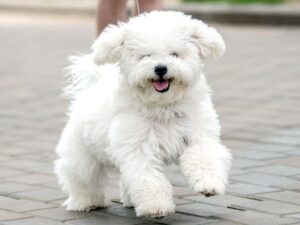
Are you ready to welcome a furry friend into your life in the heart of Delhi? This guide will help you navigate the exciting journey of finding the perfect puppy to join your family in this bustling metropolis.

Why adopt a puppy in Delhi?

Delhi’s vibrant culture and community make it an ideal place to share your life with a four-legged companion. Discover the many benefits of having a puppy in this dynamic city, from companionship to improved mental well-being.

Step 1: Research and Preparation

Before you bring a puppy home, it’s crucial to be well-prepared. Learn about your readiness, choose the right breed, and create a budget to ensure a smooth transition.

  • Determining your readiness for a puppy: Are you emotionally and financially prepared for the responsibilities of puppy parenthood? Assess your lifestyle and commitment to ensure you’re ready for this journey, which may last for over a decade.
  • Puppy breed selection tips: Explore the most suitable breeds for urban living in Delhi. Consider factors like size, energy level, and temperament to find a breed that matches your lifestyle and living space, whether it’s a spacious apartment or a cozy home.
  • Budgeting for a puppy: Understand the costs associated with puppy adoption and care. From initial adoption fees to ongoing expenses like food, grooming, and medical care, create a budget to provide your puppy with the best life possible.

Step 2: Finding Reputable Breeders

Finding a trustworthy breeder is essential. Learn how to research local breeders, visit their facilities, and verify their credentials.

  • Researching local breeders: Discover the key factors to consider when searching for reputable breeders in Delhi. Look for breeders with a positive reputation, ethical breeding practices, and a genuine love for their dogs. Reading reviews and seeking recommendations from fellow dog owners can be invaluable.
  • Visiting breeder facilities: What to look for during your visit to ensure the well-being of the puppies. A clean and well-maintained environment, happy and healthy puppies, and proper documentation are signs of a responsible breeder. Don’t hesitate to ask questions and express any concerns during your visit.
  • Checking breeder credentials: Ensure that your chosen breeder meets essential ethical and health standards. Ask for health clearances, vaccination records, and references from previous buyers. Reputable breeders will be transparent about the health history of the puppy’s parents and any genetic testing performed.

Step 3: Adoption Process

Once you’ve found a reputable breeder, it’s time to navigate the adoption process.

  • Application and screening: Prepare for the breeder’s application process, which may include questions about your living situation, experience with dogs, and your commitment to responsible pet ownership. Be honest and open in your responses to ensure a suitable match between you and your puppy.
  • Bringing your puppy home: Learn about the day you’ll finally bring your new furry friend home. Prepare your home with essential supplies, such as food, bowls, a comfortable crate, and toys. Create a safe space for your puppy to adjust, and consider puppy-proofing your home by securing potentially hazardous items.
  • Post-adoption support: Discover the importance of ongoing support from your breeder or rescue organization. They can provide guidance on your puppy’s care, answer any questions that arise, and offer resources for training and socialization.

Step 4: Puppy Care in Delhi

Raising a puppy in Delhi comes with its unique challenges and opportunities. Ensure your puppy’s well-being with proper care and attention.

  • Creating a safe home environment: Delhi’s busy streets and urban environment can be overwhelming for a puppy. Puppy-proof your home to keep them safe from potential hazards like electrical cords, toxic plants, and small objects they might swallow. Consider using baby gates to limit access to certain areas.
  • Nutrition and feeding guidelines: Find the right balance of nutrition for your puppy’s growth and development. Consult with your vet to choose the best diet and feeding schedule. Ensure access to clean, fresh water at all times.
  • Exercise and socialization: Help your puppy thrive in the city by providing regular exercise and opportunities for socialization. Explore Delhi’s parks and dog-friendly spots to ensure a well-rounded and happy puppy. Socialization is key to building your puppy’s confidence and reducing the likelihood of behavioral issues.

Step 5: Health and Wellness

Your puppy’s health should be a top priority. Learn about regular veterinary care, vaccinations, and how to address common health issues.

  • Regular veterinary care: Schedule regular check-ups with a veterinarian to monitor your puppy’s health and address any concerns promptly. Discuss a vaccination schedule and preventive care plan tailored to Delhi’s unique climate and health risks.
  • Vaccinations and preventive measures: Stay up-to-date with vaccinations to protect your puppy from common diseases like parvovirus and distemper. Discuss preventive measures, such as flea and tick control, with your vet, as these can be particularly important in urban environments.
  • Dealing with common health issues: Be prepared to recognize and address common health issues like allergies, infections, and gastrointestinal problems. Early detection and treatment are essential for your puppy’s well-being. Always seek professional veterinary advice when your puppy isn’t feeling their best.

Step 6: Training and Socialization

Proper training and socialization are crucial for a well-behaved and confident puppy.

  • Basic obedience training: Enroll your puppy in basic obedience classes to teach essential commands and behaviors. Training not only enhances your puppy’s behavior but also strengthens the bond between you and your furry friend.
  • Socializing your puppy in the city: Expose your puppy to different environments, people, and animals to build their social skills and prevent behavior problems. Frequent visits to dog parks, pet-friendly cafes, and puppy playdates can help your puppy become a well-adjusted and friendly companion.
  • Addressing behavior issues: Learn how to address common behavior problems, such as barking, chewing, and house training. Consistent and positive reinforcement is key to shaping your puppy’s behavior. If you encounter challenges, consider seeking guidance from a professional dog trainer or behaviorist.

Step 7: Community Resources

Delhi offers a wealth of resources for puppy owners.

  • Delhi’s pet-friendly spots: Discover parks, cafes, and events where you can enjoy quality time with your puppy. Explore the city’s vibrant pet culture by attending pet expos and events that celebrate the bond between humans and dogs.
  • Local dog parks and clubs: Connect with other dog owners and let your puppy play and socialize at local dog parks and clubs. These gatherings provide opportunities for both you and your puppy to make friends and enjoy the company of fellow dog enthusiasts.
  • Finding pet services in Delhi: From grooming to pet-sitting, explore the various services available to pamper your furry friend. Consider professional grooming services to keep your puppy looking and feeling their best. When you need to travel without your puppy, reliable pet-sitting and boarding services can provide peace of mind.

Conclusion

Embrace the joys of puppy parenthood in Delhi. Your furry friend will not only bring happiness into your life but also become an integral part of the city’s vibrant pet-loving community.

By following this comprehensive guide, you’ll be well-prepared to find the perfect puppy and provide it with a loving home in Delhi. Remember, responsible pet ownership is a commitment, but the rewards of unconditional love and companionship are truly priceless. With the right knowledge and resources, your journey with your puppy in Delhi will be filled with joy and unforgettable moments.

Bringing home, a Shih Tzu puppy is an exciting experience. Their adorable faces and charming personalities can quickly melt your heart. However, with the joy of a new furry family member comes the responsibility of ensuring your Shih Tzu has a safe and comfortable environment to thrive in. In this comprehensive guide, we’ll walk you through the essential steps to create a secure and cozy home for your Shih Tzu puppy.

I. Puppy-Proofing Your Home:

Before your puppy arrives, it’s crucial to puppy-proof your home to prevent accidents and keep your new pet safe. Here are some key considerations:

  • Identify potential hazards: Get down to your puppy’s eye level and inspect your home for hazards such as electrical cords, small objects, and chemicals that could be within reach. Remove or secure these items.
  • Tips for securing dangerous areas: Consider using baby gates to block off areas that are off-limits to your puppy, such as staircases or rooms with potential dangers.
  • Safe storage of household items: Ensure that cleaning products, medications, and small objects are stored securely out of your puppy’s reach. Cabinets with childproof locks can be helpful in this regard.

II. Choosing the Right Living Space:

Selecting the right living space is essential for your Shih Tzu’s comfort and safety:

  • Indoor vs. outdoor options: While Shih Tzu puppies are primarily indoor dogs due to their small size and susceptibility to extreme temperatures, they still enjoy outdoor time. Make sure you have a safe outdoor space for play and exercise, but never leave your Shih Tzu unsupervised outdoors.
  • Crate training: Consider crate training your puppy, as it provides them with a secure den-like space and helps with housebreaking. Ensure the crate is appropriately sized to accommodate your puppy comfortably.
  • Designate a puppy-friendly area: In your home, designate a specific area where your puppy can play and explore freely under supervision. This area should be safe and free from potential hazards.

III. Providing Proper Shelter:

Your Shih Tzu needs a comfortable and safe place to rest:

  • Tips for selecting the right dog bed or crate: Choose a comfortable bed or crate that fits your puppy’s size and provides a cozy space for napping and resting. Place soft blankets and a few favorite toys inside for added comfort.
  • Temperature and climate considerations: Shih Tzus are sensitive to extreme temperatures. Ensure your puppy’s living space is at a comfortable temperature, especially during hot summers and chilly winters. You may want to use heating pads or cooling mats as needed.
  • Creating a cozy and inviting space: Make your puppy’s sleeping area inviting by adding their favorite toys and a soft blanket. A well-placed bed or crate offers them a sense of security and comfort.

IV. Safety Measures for Common Areas:

Make sure the common areas of your home are safe for your Shih Tzu:

  • Securing doors and gates: Install childproof latches on doors and gates to prevent your puppy from wandering into unsafe areas or escaping outside.
  • Managing electrical cords and outlets: Use cord protectors to prevent your puppy from chewing on electrical cords, and install outlet covers to prevent accidents. Consider tucking cords away or using cord organizers.
  • Toxic plants to avoid in your home: Familiarize yourself with common indoor plants that can be toxic to dogs. Ensure these plants are kept out of your home or securely out of your puppy’s reach.

V. Puppy-Proofing Your Yard:

If you have a yard, it’s important to make it safe for your Shih Tzu to explore:

  • Fencing considerations: Check your yard’s fence for any gaps or openings where your puppy could escape. Repair any issues to prevent your puppy from wandering away.
  • Safe outdoor play areas: Create a designated area in your yard where your puppy can play and have potty breaks. Remove any potential hazards such as sharp objects or toxic plants.
  • Landscaping precautions: Be mindful of the plants and chemicals in your yard. Some plants and fertilizers can be harmful to dogs, so choose landscaping options that are safe for your Shih Tzu.

VI. Necessary Puppy Supplies:

To provide a comfortable home, gather the necessary supplies:

  • List essential items for your Shih Tzu puppy: Create a checklist of items you’ll need, including high-quality puppy food, food and water bowls, a collar with an identification tag, a leash, grooming supplies, and a comfortable bed or crate.
  • Tips on choosing safe toys and chews: Puppies love to chew, so make sure to provide safe toys and chews that are the right size for your puppy and free from small parts that could be swallowed. Look for toys labeled as “puppy-safe.”
  • Proper food and water bowl placement: Set up your puppy’s food and water bowls in a designated feeding area that’s easily accessible. Regular feeding times help establish a routine.

VII. Establishing a Routine:

Dogs thrive on routine, so it’s important to establish one early:

  • The importance of a consistent schedule: Stick to a regular schedule for feeding, potty breaks, and playtimes. This consistency helps your puppy feel secure and aids in housebreaking.
  • Potty training and designated elimination areas: Take your puppy to the same spot in your yard each time for potty breaks to establish a routine and reinforce good potty habits.
  • Feeding and exercise schedules: Plan regular meals and exercise sessions to keep your puppy healthy and happy. Consult your veterinarian for guidance on your puppy’s specific dietary needs.

VIII. Creating a Comforting Environment:

A comfortable and reassuring environment is key to a happy Shih Tzu:

  • Provide information on creating a calming atmosphere: Use soft lighting and soothing colors in your puppy’s living area to create a calming environment. Avoid loud noises or sudden disturbances that could startle your puppy.
  • The importance of socialization and companionship: Shih Tzus are social dogs and thrive on human companionship. Spend quality time with your puppy and introduce them to family members and other pets. Socialization is essential for their well-being.
  • Use of soothing music or white noise: Some puppies find soft music or white noise machines comforting when they sleep. Experiment with different sounds to see what your puppy prefers.

IX. Veterinary Care and Regular Check-Ups:

Ensuring your Shih Tzu puppy receives proper veterinary care is essential for their overall health and well-being:

  • Find a trusted veterinarian: Research and choose a veterinarian who specializes in small dog breeds like Shih Tzus. Regular check-ups, vaccinations, and preventive treatments are vital.
  • Vaccination schedule: Your veterinarian will provide a vaccination schedule tailored to your puppy’s needs. Keeping up with vaccinations is crucial to protect your puppy from common diseases.
  • Parasite control: Discuss with your vet about flea, tick, and heartworm prevention, as well as deworming treatments. Parasite control is vital for your puppy’s health.

X. Training and Socialization:

Training and socialization are key to having a well-behaved and happy Shih Tzu:

  • Basic obedience training: Teach your puppy essential commands like sit, stay, and come. Positive reinforcement methods, such as treats and praise, work well for Shih Tzus.
  • Socialization: Expose your puppy to various people, animals, and environments to build their confidence and prevent behavior problems later on. Puppy socialization classes can be beneficial.
  • Housebreaking: Be patient during the housebreaking process. Take your puppy outside regularly, especially after meals and naps. Reward them when they eliminate outdoors.

XI. Exercise and Playtime:

Shih Tzus may be small, but they still require regular exercise and mental stimulation:

  • Daily walks: Take your Shih Tzu for short walks to keep them physically active. They enjoy exploring their surroundings and will appreciate the exercise.
  • Interactive play: Provide toys that stimulate your puppy’s mind, such as puzzle toys and treat-dispensing toys. These can help prevent boredom and provide mental exercise.
  • Playdates: Arrange playdates with other friendly dogs to promote socialization and keep your Shih Tzu socially engaged.

XII. Monitoring Health and Well-Being:

Pay close attention to your Shih Tzu’s health and behavior:

  • Signs of illness: Familiarize yourself with common signs of illness in dogs, such as changes in appetite, energy levels, or unusual behaviors. If you notice any concerning symptoms, consult your veterinarian promptly.
  • Grooming routine: Shih Tzus have a long, luxurious coat that requires regular grooming. Establish a grooming routine that includes brushing, bathing, and nail trimming to keep your puppy comfortable and healthy.

Creating a safe and comfortable home for your Shih Tzu puppy is just the beginning of your journey together. Providing proper care, training, and socialization will help your Shih Tzu grow into a well-adjusted and happy adult dog. Remember that raising a puppy takes time, patience, and love, but the bond you build with your Shih Tzu will be immensely rewarding. Enjoy every moment of your puppy’s growth and cherish the companionship and joy they bring into your life. With a safe and nurturing environment and your loving care, your Shih Tzu puppy is sure to thrive.

Bringing a pug puppy into your life is an exciting and joyful experience. With their wrinkled faces and affectionate nature, pugs quickly become beloved family members. However, pug puppies come with their unique challenges, including stubbornness and a strong will. To ensure a harmonious life with your pug, it’s essential to embark on a journey of training and care right from the beginning. In this detailed guide, we will walk you through every aspect of raising a well-behaved and happy pug puppy.

Start Early – Laying the Foundation

Training your pug should commence from the moment they step into your home. Early training is crucial because puppies are like sponges, absorbing information and experiences rapidly. It’s during this time that you’ll set the foundation for your pug’s behavior and build a strong bond.

  • Importance of Early Training: Early training helps establish expectations and boundaries. Puppies are highly impressionable and learn behaviors quickly. By starting early, you can prevent bad habits from forming and reinforce positive behaviors.
  • Socialization: Beyond basic commands, early training includes socialization. Expose your pug to various people, animals, environments, and experiences. This not only helps them become well-adjusted but also reduces the likelihood of fear or aggression as they grow.

Positive Reinforcement – The Key to Success

Pug puppies thrive on positive reinforcement. This means using treats, praise, and toys to reward good behavior rather than punishment. Understanding this approach and implementing it effectively can make a significant difference in your pug’s training journey.

  • Why Positive Reinforcement Works: Positive reinforcement builds trust and cooperation between you and your pug. It focuses on rewarding what your pug does right, making them more likely to repeat those behaviors.
  • Timing is Everything: To effectively use positive reinforcement, timing is crucial. The reward should come immediately after the desired behavior to reinforce the connection.

Basic Obedience Commands – Building a Well-Behaved Pug

Basic obedience commands are the building blocks of a well-behaved pug. These commands, including sit, stay, come, and down, are not only for your convenience but also for your pug’s safety and well-being.

  • Step-by-Step Training: Break down each command into smaller, manageable steps. Use treats and praise to guide your pug through each command, gradually increasing expectations.
  • Consistency is Key: Consistency is vital when teaching commands. Everyone in your household should use the same commands and signals to avoid confusion.

Socialization – Raising a Confident Pug

Socialization is about introducing your pug to various people, animals, environments, and experiences in a positive way. This helps your pug become a well-adjusted and confident adult dog.

  • The Critical Period: The critical socialization period for puppies is typically between 3 and 14 weeks of age. During this time, your pug is most receptive to new experiences. However, socialization should continue throughout their life.
  • Gradual Exposure: Gradually expose your pug to new experiences, starting with less intimidating situations and progressing to more challenging ones. Always ensure these experiences are positive and stress-free.

Crate Training – A Safe Haven for Your Pug

Crate training is a valuable tool for housebreaking and providing your pug with a secure and comfortable space.

  • Positive Association: Make the crate a positive place for your pug. Start by leaving the crate door open so your pug can explore it freely. Place comfy bedding and toys inside, and use treats to reward your pug for going in.
  • Gradual Enclosure: Gradually increase the amount of time your pug spends in the crate. Begin with short periods and slowly extend the duration as your pug becomes more comfortable.

Potty Training – Overcoming Stubbornness

Pugs can be a bit stubborn when it comes to housebreaking. However, with patience and consistency, you can successfully potty train your pup.

  • Establish a Schedule: Create a consistent schedule for potty breaks. Take your pug out after meals, naps, and playtime. Be patient and wait until they’ve done their business before returning indoors.
  • Positive Reinforcement for Success: When your pug goes potty outside, offer lavish praise and treats. This reinforces the idea that going outside is a positive experience.

Leash Training – Enjoying Walks Together

Teaching your pug to walk calmly on a leash is essential for enjoyable walks and your pug’s safety.

  • Introducing the Leash: Start by allowing your pug to get used to the leash indoors. Let them wear it for short periods to prevent resistance.
  • Positive Leash Walking: When you venture outdoors, use treats and positive reinforcement to encourage your pug to walk calmly beside you. Avoid pulling or tugging on the leash, as this can create resistance.

Behavior Management – Addressing Unwanted Habits

Puppies, including pugs, often exhibit unwanted behaviors like jumping, excessive barking, or chewing. Managing these behaviors is crucial for a harmonious home.

  • Understanding the Cause: To effectively address unwanted behaviors, it’s essential to understand why they occur. Is your pug chewing out of boredom or teething discomfort? Identifying the root cause helps tailor your response.
  • Redirecting Energy: For behaviors like chewing, provide appropriate chew toys and redirect your pug’s energy towards them. Consistency is key; if they start chewing something they shouldn’t, redirect them to an approved toy.
  • Professional Help: If behavioral issues persist, consider consulting a professional dog trainer. They can offer expert guidance and tailor a training plan to your pug’s specific needs.

Exercise and Play – Keeping Your Pug Active

Pugs are playful dogs that require daily exercise and mental stimulation to stay happy and healthy.

  • Daily Walks: Aim for at least one daily walk, but be mindful of your pug’s energy levels. Pugs can be prone to overheating, so avoid walks in extreme heat.
  • Interactive Toys: Provide your pug with interactive toys that challenge their problem-solving skills and keep them mentally stimulated.
  • Playtime: Pugs love playtime, whether it’s a game of fetch or tug-of-war. Engage in interactive play sessions to bond with your pug and keep them active.

Routine – A Stable Environment

Pugs thrive on routine and structure. Establishing a regular schedule for feeding, bathroom breaks, training sessions, and playtime provides your pug with a sense of stability and security.

  • Feeding Schedule: Feed your pug at consistent times each day. This not only helps with potty training but also ensures your pug receives the appropriate amount of food.
  • Bathroom Breaks: Stick to a routine for bathroom breaks, especially during potty training. Consistency helps your pug learn when and where to do their business.
  • Training Sessions: Schedule short, daily training sessions to reinforce commands and practice obedience. Keep these sessions positive and engaging.

Patience and Consistency – Training Mantras

Patience and consistency are the cornerstones of successful training. Understand that every pug is unique and may learn at their own pace.

  • Stay Calm: Dogs can pick up on your emotions, so remain calm and patient during training sessions. Avoid frustration, as this can hinder progress.
  • Short, Positive Sessions: Keep training sessions short, typically around 10-15 minutes, to maintain your pug’s focus and enthusiasm. End each session on a positive note, even if it’s a small achievement.
  • Consistent Commands: Ensure everyone in your household uses the same commands and signals to prevent confusion. Consistency helps your pug understand what is expected of them.

Professional Training – Seeking Help When Needed

If you encounter difficulties with training or behavioral issues, don’t hesitate to seek professional help.

  • Puppy Obedience Classes: Puppy obedience classes are an excellent option for socialization and basic training. They offer guidance from experienced trainers and the opportunity for your pug to interact with other puppies.
  • Professional Trainers: Consider hiring a professional dog trainer if you’re dealing with specific behavioral challenges. These experts can tailor a training plan to address your pug’s individual needs.

Health Care – The Foundation of Good Behavior

A healthy pug is more likely to exhibit good behavior. Regular veterinary care, including vaccinations, flea and tick prevention, and dental care, is essential.

  • Regular Check-Ups: Schedule regular vet visits to monitor your pug’s health. These visits also provide an opportunity to discuss any behavioral concerns with your veterinarian.
  • Vaccinations: Ensure your pug receives the necessary vaccinations to prevent illnesses that can affect behavior.
  • Dental Care: Dental health is often overlooked but can impact behavior. Regular dental care prevents dental issues that could cause discomfort and changes in behavior.

Social Interaction – Encouraging Friendliness

Pugs are naturally social animals, but ongoing socialization is essential to maintain their friendliness.

  • Playdates: Arrange playdates with other dogs to encourage positive interactions and prevent shyness or fear of other animals.
  • Meet New People: Introduce your pug to new people regularly, including friends, family members, and strangers. Ensure these encounters are positive and pleasant.

Grooming – Keeping Your Pug Beautiful and Relaxed

Regular grooming is necessary for your pug’s comfort and well-being.

  • Brushing: Pugs have short coats that shed year-round. Brush your pug regularly to remove loose hair and prevent matting.
  • Nail Trimming: Keep your pug’s nails trimmed to a comfortable length. This prevents discomfort and encourages good behavior during grooming sessions.
  • Bathing: Bathing should be done as needed, typically every few months. Use a dog-friendly shampoo to keep your pug’s skin healthy.

Love and Affection – Building a Strong Bond

Pugs thrive on love and attention. Building a strong bond with your pug is essential for their well-being and good behavior.

  • Quality Time: Spend quality time with your pug. Play, cuddle, and engage in activities together to strengthen your bond.
  • Positive Reinforcement of Affection: Use affection as a form of positive reinforcement. When your pug behaves well, offer love and attention as rewards.
  • Understanding Your Pug: Learn to understand your pug’s cues and body language. This helps you respond to their needs and emotions appropriately.

Training and caring for your pug puppy is a journey filled with challenges and rewards. By applying the principles and techniques outlined in this comprehensive guide, you’ll be well-equipped to raise a well-behaved, happy, and healthy pug companion. Remember that every pug is unique, so be patient, adaptable, and always ready to provide the love and care that your furry friend deserves. The bond you build with your pug will be a source of joy and companionship for years to come.


The bond between children and dogs is a heartwarming connection that can bring joy and countless cherished memories to a family. When it comes to choosing a dog breed that harmonizes seamlessly with kids, the Bichon Frise stands out as an ideal choice. These fluffy, affectionate companions are often described as “a match made in furry heaven” for families with children. In this article, we will explore why Bichon Frise puppies are great companions for children, how to teach kids to interact safely and respectfully with pups, fun activities that can help build strong bonds between kids and Bichons, and the importance of encouraging responsibility in kids by involving them in puppy care.

Why Bichon Frise Puppies Are Great Companions for Children

Bichon Frise puppies possess a range of qualities that make them wonderful companions for children. Firstly, their small size and gentle temperament make them less intimidating for young kids. These pups are not overly energetic, making them a suitable choice for families living in apartments or homes with limited outdoor space.

Moreover, Bichon Frise puppies are known for their friendly and affectionate nature. They thrive on human interaction and are more than happy to become a part of a family, offering love and companionship. Their adaptability to various family dynamics ensures that they can fit seamlessly into any household, whether it’s a bustling family with multiple children or a quieter home with a single child.

Another remarkable trait of Bichon Frises is their hypoallergenic coat, which sheds very little. This is a significant advantage for families with allergy concerns, as it reduces the risk of allergic reactions often associated with other dog breeds.

Teaching Kids to Interact Safely and Respectfully with Pups

Ensuring a harmonious relationship between kids and Bichon Frise puppies begins with educating children on how to interact safely and respectfully with their furry friends. Here are some essential points to convey to kids:

  1. Gentle Touch: Teach children to use gentle hands when petting and playing with the Bichon Frise. Emphasize that pulling tails or ears can cause pain and discomfort to the puppy.
  2. No Rough Play: Encourage kids to avoid roughhousing with the puppy. While some dogs may enjoy rough play, Bichon Frises are generally more comfortable with calmer interactions.
  3. Respect Boundaries: Teach children to respect the pup’s personal space. If the puppy retreats or shows signs of wanting to be left alone, children should understand the importance of giving them space.
  4. Supervision: Always supervise interactions between young children and puppies, especially in the initial stages. This ensures that any miscommunications or misunderstandings are addressed promptly.

Fun Activities: Building Bonds Between Kids and Bichons

Building strong bonds between kids and Bichon Frises can be a delightful experience for the whole family. Here are some fun activities that can help strengthen this special relationship:

  1. Playtime: Engage in interactive play sessions with the puppy, such as fetch or hide-and-seek. This not only provides physical exercise but also fosters emotional connections.
  2. Training Together: Involve children in basic puppy training sessions. Simple commands like sit, stay, and paw can be taught together, promoting cooperation and mutual understanding.
  3. Storytime: Encourage kids to read books to their Bichon Frise puppy. Dogs often find the sound of a human voice soothing, and this can create a sense of comfort and companionship.
  4. Outdoor Adventures: Take family walks or hikes with the Bichon Frise, allowing children to explore the outdoors alongside their furry friend.

Encouraging Responsibility: Involving Kids in Puppy Care

One of the most valuable lessons that children can learn from having a Bichon Frise puppy is responsibility. Involving kids in the care of their four-legged companions can teach them essential life skills and a sense of accountability. Here’s how to encourage responsibility in kids:

  1. Feeding Routine: Let children participate in the puppy’s feeding routine. This includes measuring food, filling the water bowl, and cleaning up afterward.
  2. Grooming Assistance: Show kids how to brush the Bichon Frise’s coat gently and help with regular grooming tasks. This not only keeps the puppy looking and feeling their best but also strengthens the bond between child and dog.
  3. Potty Training: Involve kids in the potty training process. Teach them the importance of taking the puppy outside at specific times and cleaning up after accidents.
  4. Vet Visits: Take children to vet appointments with the Bichon Frise. This helps them understand the importance of regular check-ups and healthcare for their furry friend.

Health and Safety Considerations for Kids and Bichon Frise Puppies

While Bichon Frises are generally good-natured and suitable for families with kids, it’s crucial to prioritize the health and safety of both the children and the puppies. Here are some essential considerations:

  1. Vaccinations: Ensure that the Bichon Frise puppy is up-to-date with vaccinations to prevent the spread of diseases. Educate children about the importance of vaccines and the need to avoid contact with unknown or unvaccinated dogs.
  2. Allergies: Keep an eye on any signs of allergies in children, even though Bichon Frises are hypoallergenic. Some individuals may still be sensitive to dog dander.
  3. Supervision: Continue to supervise interactions between kids and puppies, especially when the children’s friends come over. Not all children may be as familiar with proper dog etiquette.
  4. Training: Invest time in training the Bichon Frise to ensure they are well-behaved and responsive to commands, which can prevent potential accidents or miscommunications.

Growing Together: Adolescence and Beyond

As children grow into adolescence and beyond, their relationship with their Bichon Frise puppy can evolve and deepen. It’s essential to continue nurturing this bond by involving older children in more advanced aspects of care and training. Additionally, as kids become more independent, they can take on more responsibilities in the care of their beloved pet.

Preparing for a Happy Future

A Bichon Frise puppy can be a source of joy, companionship, and valuable life lessons for children. By fostering a loving and respectful relationship between kids and their furry friends, families can create a harmonious environment where both children and Bichon Frise puppies thrive. This partnership truly is a match made in furry heaven, promising years of happiness and unforgettable moments for the entire family.

Conclusion

In conclusion, the relationship between Bichon Frise puppies and children is indeed a match made in furry heaven. These charming, gentle, and affectionate dogs bring immense joy and valuable life lessons to the lives of youngsters and their families. From the early stages of introducing a Bichon Frise puppy to your home to nurturing a strong bond between children and their furry friends, the journey is filled with love, laughter, and opportunities for personal growth.

Bichon Frises possess unique qualities that make them exceptional companions for children. Their manageable size, friendly demeanor, and hypoallergenic coat are just a few of the many attributes that make them a great fit for families. These dogs not only provide companionship but also teach children important values such as responsibility, empathy, and patience.

Teaching kids to interact safely and respectfully with their Bichon Frise puppies is paramount. By instilling gentle touch, discouraging rough play, and emphasizing the importance of boundaries, children learn the significance of empathy and understanding, skills that extend far beyond their relationship with their pets.

Engaging in fun activities that strengthen the bond between kids and their Bichon Frises is a rewarding experience. From playtime and training sessions to reading together and embarking on outdoor adventures, these shared moments create lasting memories and deepen the connection between children and their furry companions.

Involving kids in the care of their Bichon Frise puppies teaches them responsibility in a meaningful way. From feeding routines and grooming assistance to potty training and vet visits, children learn to care for another living being and gain valuable life skills that will serve them well in the future.

Ensuring the health and safety of both children and Bichon Frise puppies is crucial. Regular vet visits, vaccination schedules, and allergy awareness are essential considerations. Additionally, ongoing supervision of interactions between kids and their pets, especially when other children are involved, helps prevent accidents and promotes a safe environment.

As children grow into adolescence and beyond, their relationship with their Bichon Frise puppy can evolve into a lifelong bond. Older children can take on more advanced responsibilities in the care and training of their furry friends, solidifying their connection and deepening their understanding of pet ownership.

Ultimately, the decision to bring a Bichon Frise puppy into your family is a commitment to a journey filled with love, growth, and cherished memories. It is a partnership that promises a bright and happy future for both children and their furry companions. The bond forged between kids and Bichon Frise puppies truly is a match made in furry heaven, a testament to the enduring beauty of the human-animal connection.


Congratulations on welcoming a German Shepherd puppy into your home! These intelligent and loyal companions make for wonderful pets, but like all puppies, they require proper training to ensure a harmonious life together. In this guide, we’ll cover the essential steps for training your German Shepherd puppy and creating a happy home environment for both of you.

german Shepherd puppies for sale - The Barking Babies

German Shepherd Beginnings: Understanding the Breed

The German Shepherd is a remarkable breed with a rich history and a distinct set of characteristics. Originating in Germany, they were initially bred for herding and guarding purposes, but their exceptional intelligence, loyalty, and versatility have made them popular in various roles, including police and service work. With a well-defined double coat, erect ears, and a strong build, German Shepherds possess a commanding presence.

  • Distinctive Traits: German Shepherd puppies are known for their high intelligence and trainability. This breed excels in various canine sports and activities due to their strong desire to learn and please their owners. They often form deep bonds with their families, displaying unwavering loyalty and protective instincts.
  • Historical Significance: Captain Max von Stephanitz is credited with developing the German Shepherd breed in the late 19th century by selecting and refining traits that would lead to their exceptional working abilities. Originally used as herding dogs, they quickly demonstrated their talents in various fields, such as police and military work.
  • Roles and Jobs: German Shepherds have a long history of serving as working dogs. They have been employed in roles such as search and rescue, guide dogs for the visually impaired, and even acting in movies due to their versatility and adaptability. Their keen sense of smell, intelligence, and physical prowess make them an ideal choice for these roles.
  • Temperament: Their temperament combines loyalty, confidence, and a strong sense of duty. While they can be reserved and aloof with strangers, they are known to be extremely devoted and protective of their families. Early socialization is crucial to ensure they develop into well-adjusted companions.

Training Your German Shepherd: Discipline and Respect

Training a German Shepherd requires a combination of patience, consistency, and positive reinforcement. Due to their intelligence and willingness to please, they can excel in obedience training and more advanced tasks.

  • Positive Reinforcement: German Shepherds respond exceptionally well to positive reinforcement techniques, which involve rewarding desired behaviors with treats, praise, or toys. This approach fosters a strong bond between the dog and the owner and encourages the dog to repeat the desired behaviors.
  • Early Socialization: Socializing a German Shepherd from a young age is essential to ensure they are comfortable and well-behaved in various situations. Exposing them to different environments, people, and animals helps prevent potential behavioral issues later in life.
  • Consistent Leadership: German Shepherds thrive under the guidance of a confident and consistent leader. Establishing yourself as the pack leader through clear communication and setting boundaries is crucial for their overall behavior and respect for your commands.
  • Advanced Training: Beyond basic obedience, German Shepherds can excel in advanced training activities such as agility, tracking, and protection work. Engaging their minds in challenging tasks helps prevent boredom and reinforces their sense of purpose.

GSD Grooming Guide: Coat Care and Shedding Tips

German Shepherds have a beautiful double coat that requires regular maintenance to keep it healthy and minimize shedding. Proper grooming not only keeps their coat looking its best but also promotes their overall well-being.

  • Double Coat Structure: German Shepherds have a double coat consisting of a dense, soft undercoat and a longer, coarser outer coat. This design helps regulate their body temperature and provides protection against the elements.
  • Regular Brushing: Frequent brushing, at least a few times a week, helps remove loose hair, prevent mats and tangles, and distribute natural oils throughout the coat. Using a brush designed for their coat type is essential to avoid damaging their fur.
  • Bathing Routine: German Shepherds generally do not require frequent baths unless they get particularly dirty. Over-bathing can strip their coat of natural oils, leading to dryness and skin issues. Use a dog-specific shampoo and consult your vet for bathing frequency recommendations.
  • Seasonal Shedding: German Shepherds shed year-round, with heavier shedding occurring during seasonal changes. This is known as “blowing their coat.” During these periods, daily brushing is especially important to manage the shedding and keep your home clean.
  • Ears, Nails, and Teeth: In addition to coat care, regular ear cleaning, nail trimming, and dental care are essential for your German Shepherd’s overall hygiene. Monitoring and maintaining these areas contribute to their overall health and comfort.

Nutrition for German Shepherd Puppies: Diet and Health

  • Proper nutrition is crucial for the growth and development of German Shepherd puppies. Providing a balanced diet tailored to their needs sets the foundation for a healthy and active life.
  • Puppy-Specific Nutrition: German Shepherd puppies have unique dietary requirements to support their rapid growth and development. Look for high-quality puppy food that is rich in protein, healthy fats, vitamins, and minerals.
  • Portion Control: It’s important to feed your puppy the appropriate portion sizes to prevent overfeeding, which can lead to obesity and related health issues. Consult your veterinarian to determine the right feeding schedule and portion sizes based on your puppy’s age, weight, and activity level.
  • Avoid Overfeeding: While it might be tempting to give extra treats, overfeeding can lead to health problems, particularly in larger breeds like German Shepherds. Use treats sparingly and consider incorporating healthy treats into their training routine.
  • Hydration: Always provide access to clean, fresh water. Proper hydration supports digestion, circulation, and overall well-being.
  • Transitioning to Adult Food: As your German Shepherd puppy matures, their nutritional needs change. Gradually transition them to a high-quality adult dog food around 12 to 18 months of age, following your veterinarian’s guidance.

Bonding with Your GSD: Strengthening Your Relationship

Building a strong bond with your German Shepherd is essential for a harmonious and fulfilling relationship. These loyal dogs thrive on companionship and genuine connection, and there are several effective ways to foster a deeper bond.

  • Quality Time Together: Spending quality time with your German Shepherd is paramount. Engage in activities that they enjoy, such as playing fetch, going for walks, or simply cuddling. These shared experiences create positive associations and build trust.
  • Positive Reinforcement Training: Training sessions offer more than just obedience; they provide an opportunity for communication and teamwork. Utilize positive reinforcement techniques to teach commands, tricks, and behaviors, reinforcing your role as their guide and protector.
  • Physical Touch: Physical touch, such as petting and gentle massages, promotes relaxation and emotional closeness. Regular physical contact helps your German Shepherd feel secure and loved.
  • Exploring New Environments: Taking your German Shepherd to new places exposes them to different sights, sounds, and smells, enriching their sensory experiences and deepening their trust in you as their guide through unfamiliar situations.
  • Mind-Stimulating Activities: Engaging your dog’s mind with puzzle toys, interactive games, and training challenges prevents boredom and encourages problem-solving, fostering a stronger bond as you work together to overcome challenges.

Health Watch for German Shepherds: Common Concerns

While German Shepherds are generally robust dogs, there are specific health concerns that are more prevalent in this breed. Regular veterinary check-ups and proactive care can help prevent or manage these issues.

  • Hip and Elbow Dysplasia: German Shepherds are prone to hip and elbow dysplasia, which are genetic conditions affecting the joints. Maintaining a healthy weight, providing joint supplements, and avoiding excessive jumping during their growth stage can help minimize the risk.
  • Degenerative Myelopathy: This neurological disorder is hereditary in German Shepherds and leads to progressive paralysis. While there’s no cure, early detection and supportive care can improve your dog’s quality of life.
  • Exocrine Pancreatic Insufficiency (EPI): EPI can lead to malnutrition due to the lack of digestive enzymes. If your dog experiences chronic weight loss, diarrhea, and increased appetite, consult your vet for proper diagnosis and management.
  • Bloat: Also known as gastric torsion or twisted stomach, bloat is a life-threatening condition that can affect deep-chested breeds like German Shepherds. Feeding smaller meals, avoiding vigorous exercise after eating, and being mindful of your dog’s water intake can help reduce the risk.
  • Skin Conditions: German Shepherds are susceptible to skin issues like allergies and hot spots. Regular grooming, a balanced diet, and identifying and addressing triggers can help manage these conditions.

Socializing Smartly: Introducing Your GSD to Others

Proper socialization is key to ensuring your German Shepherd is well-behaved and comfortable around people and other animals. Early and positive experiences create a confident and well-adjusted dog.

  • Early Start: Begin socializing your German Shepherd puppy as early as possible. Expose them to a variety of people, animals, and environments during their critical socialization period (around 3 to 14 weeks of age).
  • Positive Associations: Make each encounter positive by offering treats, praise, and encouragement. This helps your dog associate new experiences with positive outcomes.
  • Gradual Exposure: Introduce new stimuli gradually to prevent overwhelming your dog. Gradually increase the level of complexity in each socialization scenario.
  • Diverse Situations: Expose your German Shepherd to different types of people, including children, adults, and seniors. Similarly, introduce them to various animals, both small and large, to ensure they are comfortable in various situations.
  • Training and Management: Teach your German Shepherd basic commands and leash manners to ensure they are under control during socialization encounters. This fosters a sense of safety and trust for both your dog and those around them.

These are just a few strategies for each of the topics you provided. If you’d like more information or additional details on any of these topics, please feel free to ask!

German Shepherd Exercise Regimen: Fitness and Fun

German Shepherds are energetic and active dogs that require regular exercise to maintain their physical and mental well-being. An appropriate exercise regimen not only keeps them fit but also prevents boredom-related behavioral issues.

  • Daily Exercise: Engage in daily exercise sessions with your German Shepherd. Activities such as brisk walks, jogging, hiking, and interactive play help burn off excess energy and stimulate their minds.
  • Mental Stimulation: Incorporate mental stimulation into their routine through puzzle toys, scent games, and obedience training. Mental challenges are as important as physical exercise and contribute to a well-rounded, contented dog.
  • Structured Play: Structured playtime, such as fetch, agility, and obedience exercises, not only provides exercise but also strengthens the bond between you and your German Shepherd. Structured activities also enhance their problem-solving skills and responsiveness.
  • Avoid Overexertion: While German Shepherds have endurance, avoid overexertion, especially in hot weather. Be mindful of their limits, especially when they are young or have underlying health conditions.
  • Variety is Key: Offer a variety of activities to prevent boredom. Rotating between different exercises keeps your dog engaged and excited about their daily routine.

Traveling with Your Faithful Companion: Tips and Tricks

Including your German Shepherd in your travel plans can be a rewarding experience, but it requires careful preparation to ensure their safety, comfort, and well-being.

  • Advance Planning: Research pet-friendly accommodations and destinations. Ensure that the places you plan to visit allow dogs and have suitable facilities for their needs.
  • Crate Training: If your German Shepherd is comfortable in a crate, it can be a safe space during travel. It also helps prevent anxiety and keeps them secure while on the road.
  • Packing Essentials: Bring along essentials such as food, water, bowls, medications, a leash, waste bags, and familiar bedding. Having these items readily available ensures your dog’s comfort and health.
  • Frequent Breaks: During road trips, take frequent breaks to allow your German Shepherd to stretch their legs, relieve themselves, and stay hydrated. Never leave them unattended in the car, especially in hot weather.
  • Calming Techniques: If your dog gets anxious during travel, consider using calming techniques such as playing soothing music or using calming pheromone sprays. Consult your veterinarian for advice on anxiety management.

Unconditional Love: Nurturing Your GSD’s Happiness

German Shepherds thrive on love and attention, and as their owner, you play a crucial role in their happiness and well-being.

  • Quality Time: Devote quality time to your German Shepherd every day. Whether it’s a long walk, playtime, or simply relaxing together, your presence and attention make a significant impact.
  • Positive Reinforcement: Reward good behavior with praise, treats, or toys. Positive reinforcement strengthens the bond between you and your dog and encourages them to exhibit desirable behaviors.
  • Routine and Structure: German Shepherds feel secure in a predictable environment. Establish a routine that includes feeding, exercise, play, and rest. Consistency provides a sense of stability.
  • Healthcare and Wellness: Regular visits to the veterinarian for check-ups, vaccinations, and preventive care are essential for your dog’s health and happiness.
  • Love and Affection: Show your German Shepherd love through physical touch, petting, cuddling, and talking to them. They thrive on human interaction and will reciprocate with their unwavering devotion.

German Shepherds are incredible companions that bring joy and loyalty to their families. By understanding their unique needs and nurturing their physical and emotional well-being, you can ensure a fulfilling and lasting relationship with your faithful canine friend.

These charming and affectionate companions bring joy and warmth to countless households with their graceful demeanor and unwavering loyalty. As a responsible pet owner, it’s essential to provide them with the best possible care to ensure their health and happiness. In this guide, we will delve into various aspects of Cavalier King Charles Spaniel care, including their unique characteristics, health considerations, grooming routines, exercise needs, and training tips. By following this guide, you’ll be equipped with the knowledge to foster a strong and enduring bond with your furry friend, promoting a life filled with vitality and contentment.

The Loving Nature of Cavalier King Charles Spaniels

Cavalier King Charles Spaniel puppies, often referred to as “Cavaliers,” are renowned for their loving and affectionate nature. With their striking appearance and charming personality, these dogs have captured the hearts of countless pet enthusiasts around the world. Let’s delve into what makes these dogs so special and why they are cherished companions for families and individuals alike.

  • A Bond Beyond Compare: One of the most remarkable qualities of Cavalier King Charles Spaniels is their innate ability to form strong and lasting bonds with their human companions. Their gentle and affectionate demeanor makes them highly attuned to the emotions of those around them. Whether you’ve had a long day at work or are feeling under the weather, your Cavalier will be right by your side, ready to offer comfort and companionship. This unwavering loyalty and connection are what truly set these dogs apart.
  • The Joy of Cuddles: Cavaliers have rightfully earned the reputation of being excellent snuggle buddies. Their love for physical closeness is heartwarming. From cozying up on the couch while watching a movie to curling up in bed at night, these dogs thrive on human contact. Their silky-soft coats and warm presence make every snuggle session a joyful and comforting experience. This affectionate behavior not only enhances the bond between you and your furry friend but also contributes to a sense of emotional well-being.
  • Playful Spirits: While Cavaliers are masters of relaxation, they are also spirited and playful beings. Their enthusiasm for playtime is infectious, and they are always ready for a game of fetch or a leisurely stroll in the park. This blend of playfulness and gentleness makes them wonderful companions for families with children or active individuals seeking a loyal partner for outdoor activities. Their presence adds a touch of liveliness to any household, fostering an atmosphere of joy and vitality.
  • Tail-Wagging Therapy: It’s no secret that spending time with dogs can have a positive impact on one’s mental and emotional well-being. Cavaliers take this to a whole new level with their therapeutic qualities. Their genuine happiness, as expressed through their perpetual tail-wagging, has the power to uplift even the lowest of spirits. Whether you’re feeling stressed, anxious, or simply need a pick-me-up, a few minutes in the company of your Cavalier can make a world of difference.
  • An Eloquent Expression of Love: Cavaliers are not shy about expressing their affection through kisses and licks. This endearing behavior is their way of showing love and forging a deeper connection with their owners. A gentle lick on the hand or a playful nuzzle can speak volumes about their emotional attachment. These gestures serve as a constant reminder of the unwavering companionship and love that Cavaliers bring into our lives.

Designing a Safe and Joyful Environment

Creating a safe and joyful environment for your Cavalier King Charles Spaniel requires careful consideration of their unique needs and characteristics. From designing a comfortable living space to ensuring their physical and mental well-being through proper diet, grooming, and exercise, every aspect plays a role in their overall happiness. Remember, the love and care you invest in your pet’s environment will be returned to you in the form of endless companionship and loyalty. We will delve into the various aspects of designing an environment that ensures the health, happiness, and safety of your Cavalier King Charles Spaniel:

  • Creating a Comfortable Living Space: One of the key factors in providing a safe and joyful environment for your Cavalier King Charles Spaniel is designing a comfortable living space. This includes a designated area for your furry friend to relax, sleep, and unwind. Invest in a high-quality dog bed that provides adequate support for their joints and muscles. Place the bed in a quiet corner of your home, away from drafts and excessive noise.
  • Safety First – Puppy-Proofing Your Home: Puppy-proofing your living space is essential to prevent accidents and ensure your Cavalier King Charles Spaniel’s safety. Just like human toddlers, these curious pups are prone to exploring their surroundings using their mouths. Secure electrical cords, keep toxic plants out of reach, and use safety gates to restrict access to hazardous areas. This not only protects your pet but also provides you peace of mind.
  • Stimulating Activities for Mental and Physical Health: Cavalier King Charles Spaniels are intelligent and energetic dogs that require mental and physical stimulation to stay happy and healthy. Incorporate interactive toys and puzzles that challenge their minds and keep them engaged. Regular playtime and exercise, such as brisk walks and interactive fetch sessions, are essential for preventing boredom and maintaining their overall well-being.
  • A Balanced Diet for Optimal Health: A crucial aspect of designing a safe and joyful environment for your Cavalier King Charles Spaniel is ensuring they receive a balanced and nutritious diet. Consult with a veterinarian to determine the best dietary plan for your pet’s age, size, and activity level. Invest in high-quality dog food that is free from artificial additives and fillers. Adequate hydration is equally important, so always provide access to fresh, clean water.
  • Grooming and Hygiene: Maintaining proper grooming and hygiene practices is not only essential for your Cavalier King Charles Spaniel’s appearance but also for their overall health. Regular brushing helps prevent tangles and matting of their beautiful, silky coats. Trim their nails to a safe length to avoid discomfort, and clean their ears regularly to prevent infections. A clean and well-groomed pet is a happy pet!
  • Regular Veterinary Care: Designing a safe environment for your furry companion also involves prioritizing their health through regular veterinary care. Schedule annual check-ups to monitor their overall well-being, address any potential health issues early on, and keep their vaccinations up to date. Your veterinarian can provide tailored advice on preventive measures and care specific to Cavalier King Charles Spaniels.
  • Socialization and Training: Cavalier King Charles Spaniels thrive on human interaction and positive reinforcement training. To create a joyful environment, focus on socializing your pet with other dogs, animals, and people from a young age. Enroll in obedience classes to ensure they learn basic commands and behaviors that enhance their safety and the safety of those around them.

Cavalier King Charles Spaniel Dietary Essentials

One integral aspect of ensuring their well-being is a well-balanced and wholesome diet. We’ll delve into the dietary essentials that are paramount for the health and vitality of your Cavalier King Charles Spaniel:

  • Understanding Your Cavalier’s Nutritional Needs: Cavalier King Charles Spaniels are not only known for their affectionate nature but also for their unique dietary requirements. Their small size and distinct physiology necessitate a diet rich in specific nutrients to support their energy levels, immune system, and overall health.
  • Protein Power: A Foundation of Health: Proteins are the building blocks of life and play an indispensable role in your Cavalier’s diet. Incorporating high-quality, lean protein sources such as lean meats (chicken, turkey, and beef), fish, and eggs can promote optimal muscle development and repair. Protein also contributes to a lustrous coat and healthy skin, vital for your furry friend’s appearance and comfort.
  • Wholesome Carbohydrates: Fuel for Playfulness: Carbohydrates are an essential source of energy, especially for the active and playful nature of your Cavalier King Charles Spaniel. Opt for complex carbohydrates like brown rice, sweet potatoes, and whole grains. These not only provide sustained energy but also offer dietary fiber that aids in digestion and helps maintain a healthy weight.
  • The Good Fats: Ensuring Wellness: Healthy fats are pivotal for your Cavalier’s well-being. Incorporate sources of Omega-3 and Omega-6 fatty acids, such as fish oil and flaxseed, to support cardiovascular health, reduce inflammation, and maintain a glossy coat. Remember, a balanced intake of fats is crucial, so consult your veterinarian for guidance on portion control.
  • Vitamins and Minerals: Just as humans need vitamins and minerals, your Cavalier requires these micronutrients to thrive. Vitamin A promotes healthy vision, while Vitamin E serves as an antioxidant, protecting cells from damage. Essential minerals like calcium and phosphorus contribute to strong bones and teeth. A nutritionally rich diet or supplements can help meet these needs.
  • Hydration: Water is often overlooked but is perhaps the most vital component of your Cavalier’s diet. Proper hydration aids digestion, regulates body temperature, and supports every bodily function. Ensure your furry companion always has access to clean, fresh water.
  • Special Considerations for Puppies and Seniors: Puppies and senior Cavaliers have distinct nutritional needs. Puppies need additional protein and calories to support their rapid growth, while senior dogs benefit from diets tailored to their changing metabolic rates and potential health concerns. Consult with your veterinarian to ensure you’re providing the right nutrients at every life stage.
  • Consulting the Experts: Your Veterinarian’s Role: While this guide provides valuable insights, remember that every dog is unique. Consulting your veterinarian is crucial before making any substantial changes to your Cavalier’s diet. They can assess your dog’s specific needs and recommend a tailored diet plan.

Coat Care and Brushing Routine

To ensure your furry friend’s coat stays lustrous and healthy, it’s essential to establish a proper coat care and brushing routine. We’ll walk you through the best practices for maintaining your Cavalier King Charles Spaniel puppy’s coat, helping you keep them comfortable and stylish:

  • Understanding the Coat: Cavalier King Charles Spaniels possess a luxurious, silky coat that comes in various color combinations. Their coat is categorized as medium to long, and it requires consistent care to prevent matting, tangling, and overall disarray. Regular grooming not only keeps your pup looking fantastic but also promotes their well-being by distributing natural oils and stimulating the skin.
  • Tools of the Trade: Before diving into the brushing routine, ensure you have the necessary tools at hand. Here’s a list of items you’ll need:
  1. Soft Bristle Brush: Invest in a high-quality, soft bristle brush specifically designed for medium to long-haired breeds. This type of brush helps detangle knots and removes loose fur without harming your pup’s skin.
  2. Fine-Tooth Comb: A fine-tooth comb is perfect for tackling smaller knots and tangles that the brush might miss. It’s particularly useful for areas like behind the ears and under the legs.
  3. Detangling Spray: For those stubborn tangles, a detangling spray can work wonders. Make sure to choose a product that’s gentle on your pup’s sensitive skin.
  • Establishing a Brushing Routine: Maintaining a consistent brushing routine is key to preventing matting and maintaining the health of your Cavalier King Charles Spaniel puppy’s coat. Follow these steps to keep their coat in top condition:
  1. Daily Brushing: Set aside a few minutes each day for a gentle brushing session. Start by combing through your pup’s coat using the soft bristle brush, working from the tips towards the roots. This helps remove any tangles or knots while preventing breakage.
  2. Focus on Trouble Spots: Pay extra attention to areas prone to tangles, such as behind the ears, under the legs, and around the collar. Use the fine-tooth comb to gently work through any knots, starting from the tips and working your way up.
  3. Regular Baths: While Cavalier King Charles Spaniels don’t require frequent baths, occasional bathing helps keep their coat clean and healthy. Use a mild, dog-friendly shampoo and conditioner to maintain their natural oils. Remember to brush your pup’s coat before and after baths to prevent matting.
  4. Trimming and Professional Grooming: Every few months, consider scheduling a professional grooming session to trim your pup’s coat and maintain its shape. This also allows for thorough inspection of their coat and skin health.

Prioritizing Health Care and Early Detection

Regular visits to the veterinarian are fundamental for maintaining your Cavalier’s well-being. These visits allow for the timely detection of potential health issues and provide opportunities to discuss preventive measures with your vet.

Cavaliers are prone to dental problems, so dental care is crucial. Brush your dog’s teeth regularly and offer dental chews to promote oral health and prevent dental disease.

Cavalier King Charles Spaniels are susceptible to heart conditions, such as mitral valve disease. Regular cardiac screenings help identify issues early, enabling prompt intervention and management. Consult your veterinarian for guidance on heart health maintenance.

Conclusion

In conclusion, caring for your Cavalier King Charles Spaniel is a rewarding journey that requires dedication, love, and commitment. These gentle and affectionate dogs thrive when showered with attention and care, and by following the guidelines provided in this comprehensive guide, you’re well on your way to providing them with a life filled with health and happiness.

Remember, regular veterinary check-ups, a balanced diet, consistent grooming, and ample exercise are the cornerstones of their well-being. Equally important is the emotional connection you build with your furry companion through positive training, playtime, and shared experiences.

As you embark on this journey together, cherish every moment you spend with your Cavalier King Charles Spaniel. Their unconditional love and unwavering loyalty will undoubtedly enrich your life as much as you enrich theirs. By prioritizing their health and happiness, you’re ensuring that your four-legged friend enjoys a fulfilling and joyful life by your side.

Bringing a new Bichon Frise puppy into your life is an exciting and fulfilling adventure. The Bichon Frise breed is known for its adorable appearance, friendly nature, and charming personality. These small dogs with their fluffy white coats and expressive eyes can steal anyone’s heart. However, like any new addition to your family, caring for a Bichon Frise puppy requires knowledge, dedication, and a lot of love. In this comprehensive guide, we’ll walk you through every aspect of Bichon Frise puppy care, from understanding the breed’s origins to grooming, training, and health considerations.

[product id=”1916″]

Understanding the Bichon Frise Breed

Bichon Frise

The Bichon Frise is a delightful breed that traces its roots to the Mediterranean region. Originally bred as companions, these small dogs have a natural affinity for human interaction. Their friendly and affectionate nature makes them excellent family pets and wonderful companions for people of all ages. The Bichon Frise is recognized for its distinctive coat, which is curly and white, giving them an almost teddy bear-like appearance. With their perky ears and playful demeanor, Bichon Frises bring joy to any household they become a part of.

Creating a Comfortable Living Space

Preparing your home for a Bichon Frise puppy is an important first step in its care journey. Designate a cozy and safe area where your puppy can feel secure. A crate can serve as a den-like space that not only helps with potty training but also becomes a retreat where your puppy can rest and relax. Line the crate with soft bedding to make it inviting.

Incorporate appropriate toys to keep your Bichon Frise puppy mentally stimulated and engaged. Since these pups are social by nature, consider placing the crate in an area where they can still interact with family members. Puppy-proofing your home is crucial, as curious puppies are prone to exploring and chewing on anything within their reach. Remove any potential hazards or toxic substances and secure cords to prevent accidents.

Nutritional Guidelines for Bichon Frise Puppies

Proper nutrition is the cornerstone of your Bichon Frise puppy’s growth and development. Start by choosing a high-quality puppy food that is specifically formulated to meet the nutritional needs of small breeds. Check the packaging for recommended feeding amounts and frequencies. Portion control is important to prevent overeating and obesity.

What to Feed Your Bichon Frise? Diets and Feeding Methods for Your Dog

Consulting your veterinarian for dietary recommendations tailored to your Bichon Frise puppy’s age, weight, and activity level is crucial. Puppies have different nutritional requirements than adult dogs, and your vet can provide guidance on feeding schedules and adjustments as your puppy grows.

Grooming and Coat Maintenance Tips

The Bichon Frise’s luxurious coat is one of its most iconic features, but it requires consistent grooming to keep it looking its best. Regular brushing helps prevent tangles and mats, which can become uncomfortable for your puppy. Establish a grooming routine that includes brushing your Bichon Frise’s coat at least a few times a week.

Bichon Frise Grooming: 16 Important Tips | Hepper

Professional grooming every 4 to 6 weeks helps maintain the coat’s texture and appearance. During grooming sessions, pay special attention to the eyes. Bichon Frise puppies are prone to tear staining, so gently cleaning around the eyes can help prevent staining and keep your puppy looking fresh.

In addition to coat care, keep your puppy’s nails trimmed to a comfortable length and clean their ears to prevent infections. Regular dental care, such as brushing their teeth or providing dental treats, is also important to maintain good oral health.

Training Strategies for a Well-Behaved Bichon Frise

Early training is essential to ensure your Bichon Frise grows into a well-mannered and obedient companion. Begin with basic commands such as “sit,” “stay,” “come,” and “down.” Use positive reinforcement techniques, such as treats, praise, and playtime, to reward your puppy for good behavior. Bichon Frises are intelligent and eager to please, making them responsive to positive training methods.

Socialization is another crucial aspect of training. Expose your Bichon Frise puppy to different people, animals, and environments from a young age. This helps them develop into confident and well-adjusted adults. Puppy socialization classes can provide structured environments for interaction and learning.

Health Considerations and Regular Check-ups

Maintaining your Bichon Frise’s health is a lifelong commitment. Regular veterinary check-ups are essential for monitoring your puppy’s growth, addressing any health concerns, and staying up-to-date on vaccinations and preventive treatments.

Bichon Frise Dog Breed Health and Care | PetMD

Bichon Frises can be predisposed to certain health issues, including dental problems, allergies, and joint concerns. Proper dental care, such as regular teeth brushing, can prevent dental disease. Keep an eye out for any signs of allergies, such as excessive itching or ear infections, and consult your vet if you have concerns.

Finding a Bichon Frise Puppy

If you’re looking to add a Bichon Frise puppy to your family, it’s important to find a reputable source. While you might be tempted to search for phrases like “Bichon Frise for sale near me” or “Bichon Frise puppies for sale,” it’s crucial to prioritize ethical breeding practices and the well-being of the puppies. Reputable breeders prioritize the health and happiness of their dogs over profit.

Research potential breeders thoroughly. Ask for references, visit their facilities if possible, and inquire about the health testing they conduct on their breeding dogs. If adoption is an option you’re considering, shelters and rescues can be wonderful places to find Bichon Frise puppies in need of loving homes.

Welcoming a Bichon Frise puppy into your life is a heartwarming and rewarding experience. By understanding the breed’s characteristics, providing a safe and loving environment, focusing on proper nutrition and grooming, and committing to training and health care, you’re setting the stage for a lifetime of happiness with your furry friend. Remember, a Bichon Frise’s love and companionship are matched only by the care and attention you invest in their well-being.

Traveling with Your Bichon Frise

Bichon Frisé | zooplus Magazine

If you love to travel, you’ll be pleased to know that Bichon Frise puppies can be great travel companions. However, ensure your puppy’s safety and comfort by using a secure travel crate and packing their essentials, including food, water, and familiar toys. Traveling with a Bichon Frise requires careful planning to ensure their well-being. Introduce your puppy to the travel crate beforehand, provide them with comfort items, and take frequent breaks during long journeys to allow them to stretch their legs and relieve themselves.

Building a Lifelong Bond

Lastly, remember that your Bichon Frise puppy is not just a pet, but a beloved member of your family. Spend quality time together, provide love and attention, and continue training and socializing throughout their life. The strong bond you build will result in a happy and well-adjusted adult Bichon Frise. Sharing your life with a Bichon Frise is a rewarding experience, and the love and companionship they offer make the time and effort invested in their care truly worthwhile.

In conclusion, bringing a Bichon Frise puppy into your home is a joyous occasion that comes with responsibilities. By following the guidelines in this ultimate guide, you’ll be well-prepared to provide the best possible care for your furry friend. From finding a reputable breeder to maintaining their health and happiness, every step you take will contribute to a fulfilling and lasting relationship with your Bichon Frise puppy. Your dedication to their well-being will be rewarded with years of companionship, love, and cherished memories.

When it comes to training your Bullmastiff, it’s crucial to employ effective techniques that promote good behavior and balance in your furry friend. A well-trained Bullmastiff is not only a joy to be around but also ensures a safe and harmonious environment for both the dog and its owners. In this comprehensive guide, we will explore various training methods and provide valuable insights to help you achieve successful results with your Bullmastiff.

Understanding the Bullmastiff Breed

Before diving into training techniques, it’s essential to have a solid understanding of the Bullmastiff breed. Bullmastiff puppies are large, powerful dogs known for their loyalty, intelligence, and protective nature. Originally bred to guard estates and gamekeepers in England, they possess a calm and gentle demeanor while remaining vigilant and watchful.

Establishing Trust and Leadership

To begin your Bullmastiff training journey, it’s vital to establish trust and establish yourself as the pack leader. Dogs are naturally pack animals and thrive in an environment where they understand their place in the hierarchy. By assuming the role of a calm and assertive leader, you can build a strong foundation for effective training.

Basic Obedience Training

The first step in training your Bullmastiff is to focus on basic obedience commands. These commands provide structure and discipline, ensuring your dog understands and follows your instructions. Here are a few essential commands to start with:

Sit

Teaching your Bullmastiff to sit is a fundamental command that sets the groundwork for other training exercises. To train this command, follow these steps:

  1. Hold a treat close to your dog’s nose, moving it slowly upward.
  2. As your dog follows the treat with their head, their bottom will naturally lower into a sitting position.
  3. Once their bottom touches the ground, say “Sit” and immediately reward them with the treat and praise.

Repeat this process multiple times a day until your Bullmastiff learns to sit reliably.

Stay

The “Stay” command is crucial for keeping your Bullmastiff safe and under control in various situations. Follow these steps to train your dog to stay:

  1. Ask your Bullmastiff to sit.
  2. Open your palm towards their face, say “Stay,” and take a step back.
  3. If your dog remains in place, reward them with a treat and praise.
  4. Gradually increase the distance and duration of the stay, always rewarding your Bullmastiff for successful responses.

Recall (Come)

Teaching your Bullmastiff to come when called is essential for their safety and your peace of mind. Follow these steps to train the recall command:

  1. Start in a quiet and secure area, such as your backyard.
  2. Attach a long leash to your Bullmastiff’s collar.
  3. Crouch down, open your arms, and enthusiastically call your dog’s name followed by the command “Come.”
  4. Gently guide them towards you using the leash if needed.
  5. Reward them with treats and praise once they reach you.

Consistency and positive reinforcement are key when training basic obedience commands. Practice these exercises daily in short sessions, gradually increasing the difficulty as your Bullmastiff becomes more proficient.

Addressing Behavioral Issues

In addition to basic obedience training, it’s important to address any behavioral issues that may arise in your Bullmastiff. Here are a few common issues and techniques to manage them effectively:

Socialization

Socialization is a crucial aspect of raising a well-rounded Bullmastiff. As a naturally protective breed, early exposure to different people, animals, and environments is essential to ensure your Bullmastiff becomes comfortable and well-mannered around others.

Start socializing your Bullmastiff as early as possible, ideally during the puppy stage. Introduce them to various situations and stimuli in a controlled and positive manner. Here are some tips for successful socialization:

  • Controlled Introductions: Begin with controlled introductions to people of different ages, sizes, and appearances. Gradually increase the exposure to new individuals, ensuring each encounter is pleasant and non-threatening.
  • Puppy Playdates: Arrange playdates with other well-behaved and vaccinated puppies. These interactions help your Bullmastiff learn appropriate play behaviors and develop social skills with their peers.
  • Public Outings: Take your Bullmastiff to public places with busy but controlled environments. Expose them to different sights, sounds, and smells, allowing them to adapt to various stimuli.
  • Positive Reinforcement: Always use positive reinforcement during socialization. Reward your Bullmastiff with treats, praise, and affection when they exhibit calm and friendly behavior around new people and animals.
  • Monitor Body Language: Pay close attention to your Bullmastiff’s body language during socialization. If they appear anxious or uncomfortable, remove them from the situation and try a gentler approach later.

By providing positive and diverse social experiences, you can help your Bullmastiff build confidence and become a well-mannered companion in various situations.

Crate Training for Safety and Comfort

Crate training is a valuable skill that benefits both your Bullmastiff and your household. Crates provide a safe and comfortable space for your dog, where they can retreat and relax. Additionally, crates are useful for managing your Bullmastiff’s behavior, preventing destructive tendencies when you’re not around.

Here are some tips for successful crate training:

  • Choose the Right Crate: Select a crate that is large enough for your Bullmastiff to stand, turn around, and lie down comfortably. However, avoid getting a crate that is too spacious, as it may encourage them to eliminate inside.
  • Positive Association: Create a positive association with the crate by making it a rewarding and enjoyable space. Place treats, toys, and soft bedding inside to entice your Bullmastiff to enter willingly.
  • Gradual Introduction: Introduce the crate gradually, starting with short periods of time. Leave the door open and let your Bullmastiff explore the crate at their own pace. Gradually increase the time they spend inside, always rewarding calm behavior.
  • Mealtime in the Crate: Feeding your Bullmastiff their meals inside the crate can help them associate it with positive experiences. This reinforces the idea that the crate is a safe and enjoyable space.
  • Avoid Punishment: Never use the crate as a form of punishment. The crate should be a positive and comforting space for your Bullmastiff, not a place they fear or associate with negative experiences.

Remember that crate training should be a gradual process, and each dog will respond differently. Be patient and consistent, and avoid rushing your Bullmastiff into accepting the crate as their safe haven.

Bullmastiff Training for Guardian Instincts

Being a guardian breed, Bullmastiffs have natural protective instincts. While this is a desirable trait, it’s essential to channel their guardian instincts appropriately to avoid overprotective or aggressive behavior.

Here are some tips for training your Bullmastiff’s guardian instincts:

  • Controlled Introduction to Strangers: Teach your Bullmastiff to differentiate between threatening and non-threatening situations. Expose them to new people under controlled circumstances, rewarding calm behavior and appropriate responses.
  • Focus on Obedience: Prioritize basic obedience training, as a well-trained Bullmastiff is more likely to follow your commands and remain under control in various situations.
  • Encourage Discernment: Teach your Bullmastiff to discern between normal activities and genuine threats. Avoid encouraging overreactive behavior to minor stimuli, as this may lead to excessive guarding tendencies.
  • Positive Reinforcement: Always use positive reinforcement to encourage your Bullmastiff’s desired behavior. Reward them for being alert and attentive without displaying aggressive behavior.
  • Professional Guidance: If you’re concerned about your Bullmastiff’s guardian instincts, consider seeking guidance from a professional dog trainer with experience in handling guardian breeds.

Remember that a well-trained Bullmastiff can be both a loyal companion and an effective guardian. Balancing their protective nature with obedience training is essential to ensuring a harmonious relationship between your Bullmastiff and your family.

Conclusion

Training your Bullmastiff requires patience, consistency, and a comprehensive approach that addresses both obedience and behavioral aspects. By employing effective techniques and maintaining a balanced lifestyle, you can raise a well-behaved and balanced Bullmastiff that enriches your life and the lives of those around you. Remember to always prioritize positive reinforcement and seek professional guidance if needed. With dedication and love, you can cultivate a strong bond with your Bullmastiff and create a harmonious environment that showcases the true potential of this remarkable breed.

Instagram
Phone
Phone
Instagram